 Breed
Breed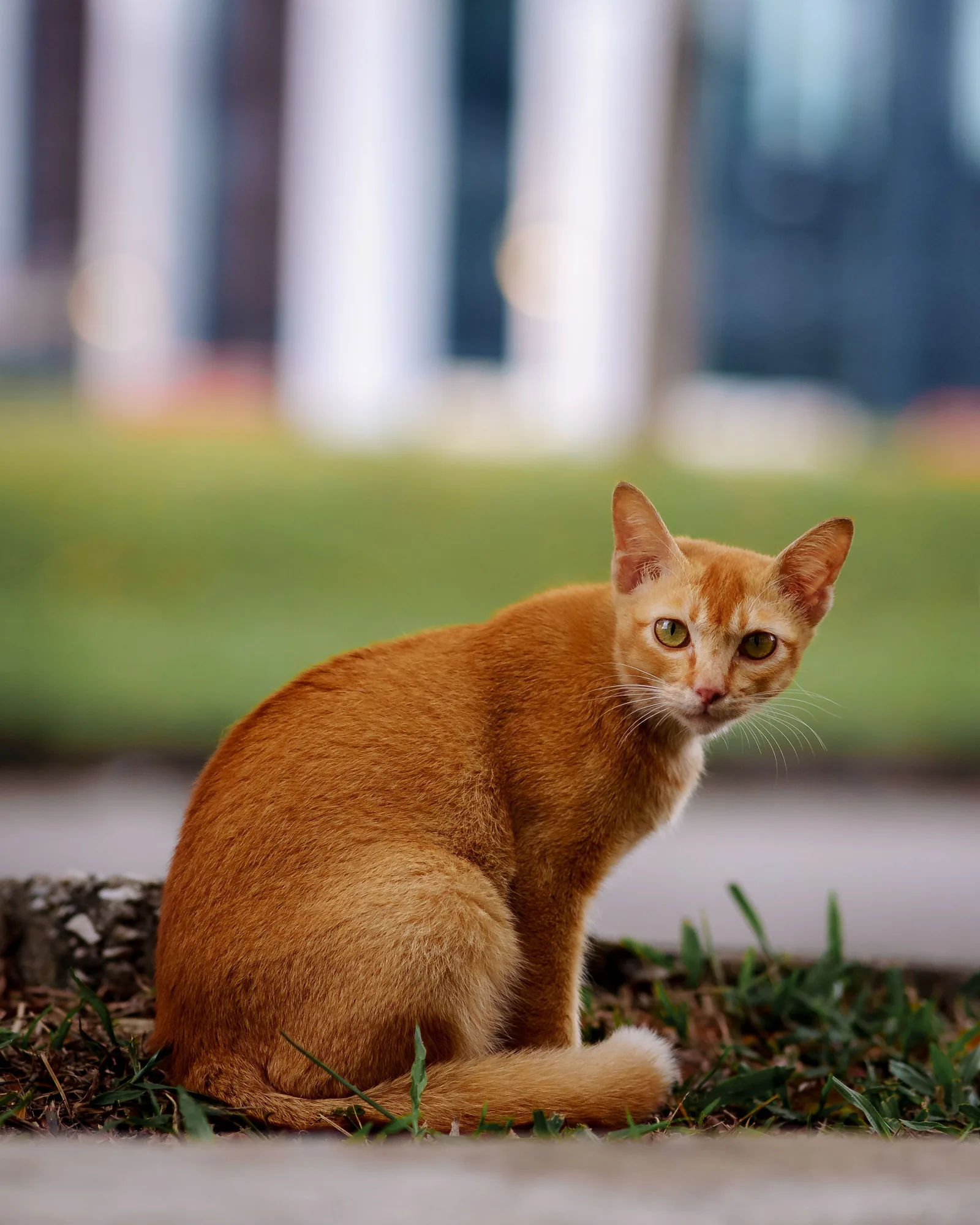
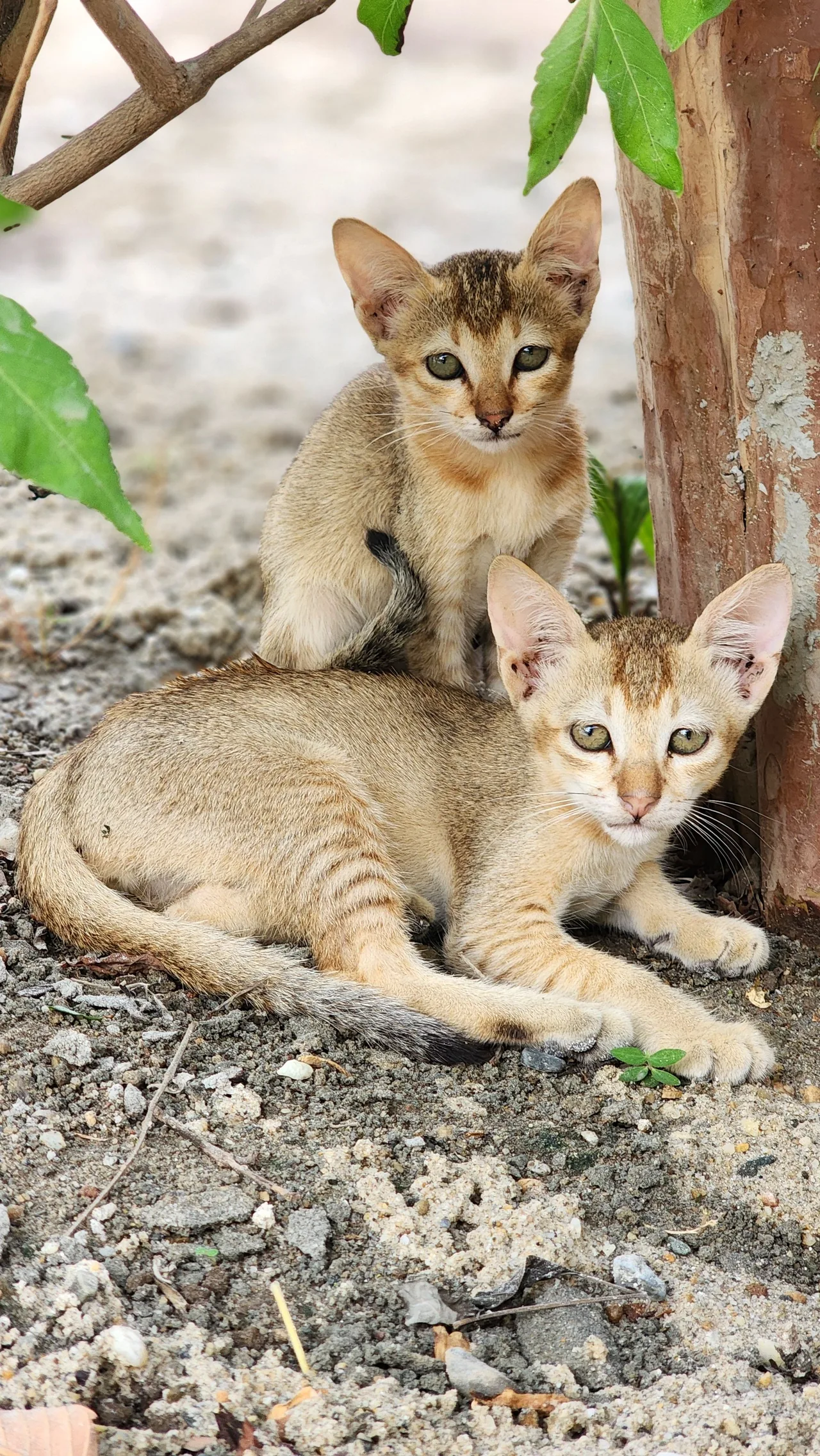
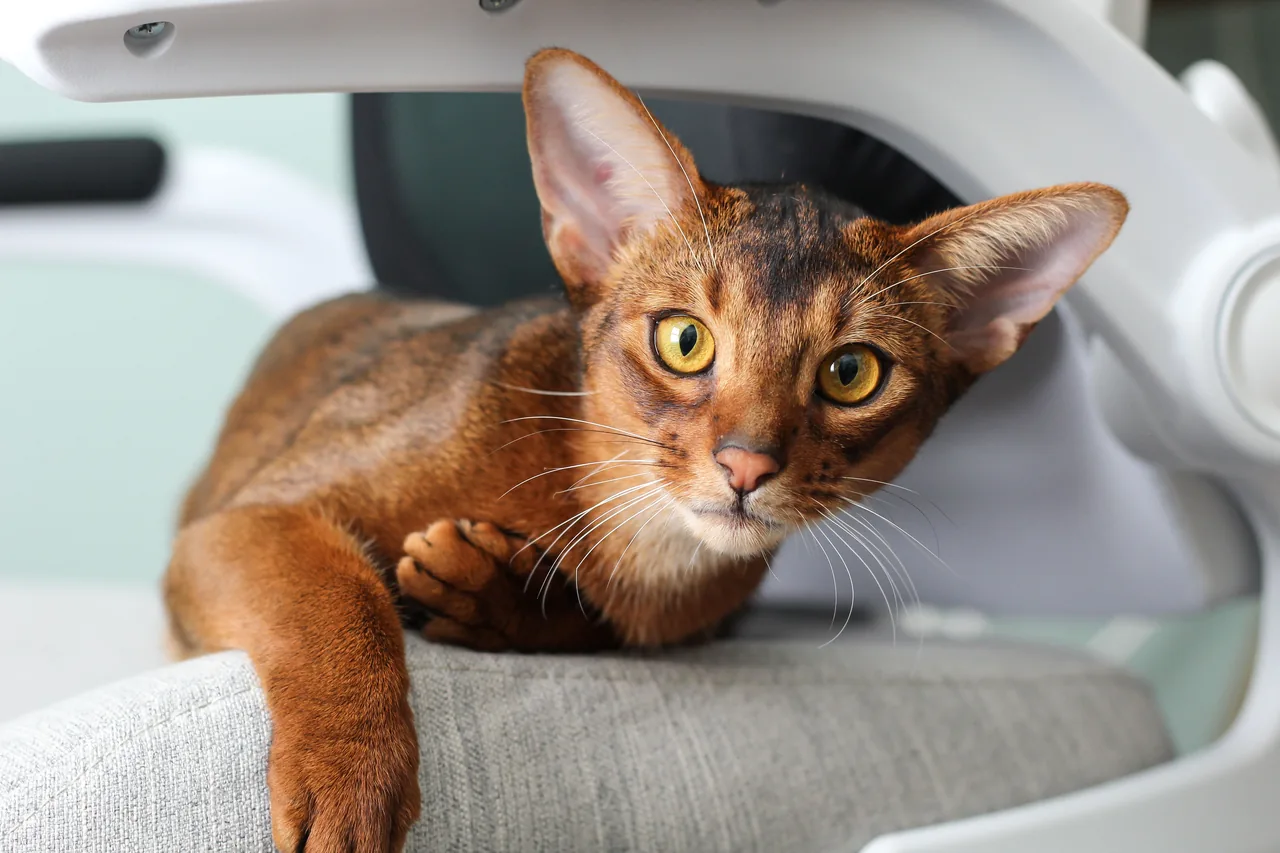
Sources checked September 6, 2026
CFA's #6 most popular breed, 2026 · one of the oldest recognized breeds, registered 1906
Abyssinian
A ticked coat, constant motion, and a name that turns out to be a historical red herring. Here is what the Cat Fanciers' Association's own breed standard and a real genetics lab say about the Abyssinian, read directly from those sources, not reworded from a listicle.
Temperament
In CFA's own words, the Abyssinian is "busy, active, agenda-driven and affectionate," described as "indomitable problem-solvers" that are "intensely curious about everything." CFA is direct about what this means for lap time: despite being "friendly and extremely affectionate," an Abyssinian is unlikely to stay in your lap long due to its "high activity level." Source: CFA, Abyssinian breed page.
Health and care: what actually matters with this breed
The name is misleading. Despite suggesting African origins, CFA notes "genetic research has established that the breed originated in the coastal areas of the Indian Ocean and in Southeast Asia," not Abyssinia (modern Ethiopia). The first documented show cat, "Zula," appeared in England in 1871.
The specific health risk worth knowing is pyruvate kinase (PK) deficiency, an inherited hemolytic anemia. Per UC Davis's Veterinary Genetics Laboratory, it is caused by a mutation that produces a frame-shift and premature stop codon in the gene, inherited as autosomal recessive, meaning a cat needs the mutation from both parents to be affected. Clinical signs are "intermittent with variable age of onset," including "severe lethargy, weakness, weight loss, jaundice, and abdominal enlargement." The condition also affects the closely related Somali breed. Sources: CFA, Abyssinian breed page; UC Davis Veterinary Genetics Laboratory, Erythrocyte Pyruvate Kinase Deficiency in cats.
Feeding
There is no Abyssinian-specific feeding chart worth trusting from a general source like this one; portion needs depend on the individual cat's weight, age, and activity level, and a vet is better positioned to set that than a breed page. The breed's high activity level, per CFA's own standard, means calorie needs can run higher than a more sedentary breed of the same size, worth discussing with a vet rather than assuming a standard portion applies.
Questions people actually search
What is PK deficiency, and how would I know if my Abyssinian has it?
Pyruvate kinase deficiency is an inherited anemia that causes intermittent lethargy, weakness, weight loss, jaundice and abdominal swelling, with symptoms that can appear at any age. It is autosomal recessive, so a cat needs the mutation from both parents to be affected. A DNA test, not just a symptom watch, is the reliable way to know a cat's status.
Why is my Abyssinian never still?
This is a documented breed trait, not restlessness to correct. CFA's own standard describes Abyssinians as having a "high activity level" and being "indomitable problem-solvers," which is why they are unlikely to stay parked in a lap the way a calmer breed might.
Are Abyssinians actually from Ethiopia?
Not according to CFA's own genetic research, which traces the breed's real origin to coastal areas of the Indian Ocean and Southeast Asia. The name reflects where the breed was popularized and shown historically, not its documented genetic origin.