 Breed
Breed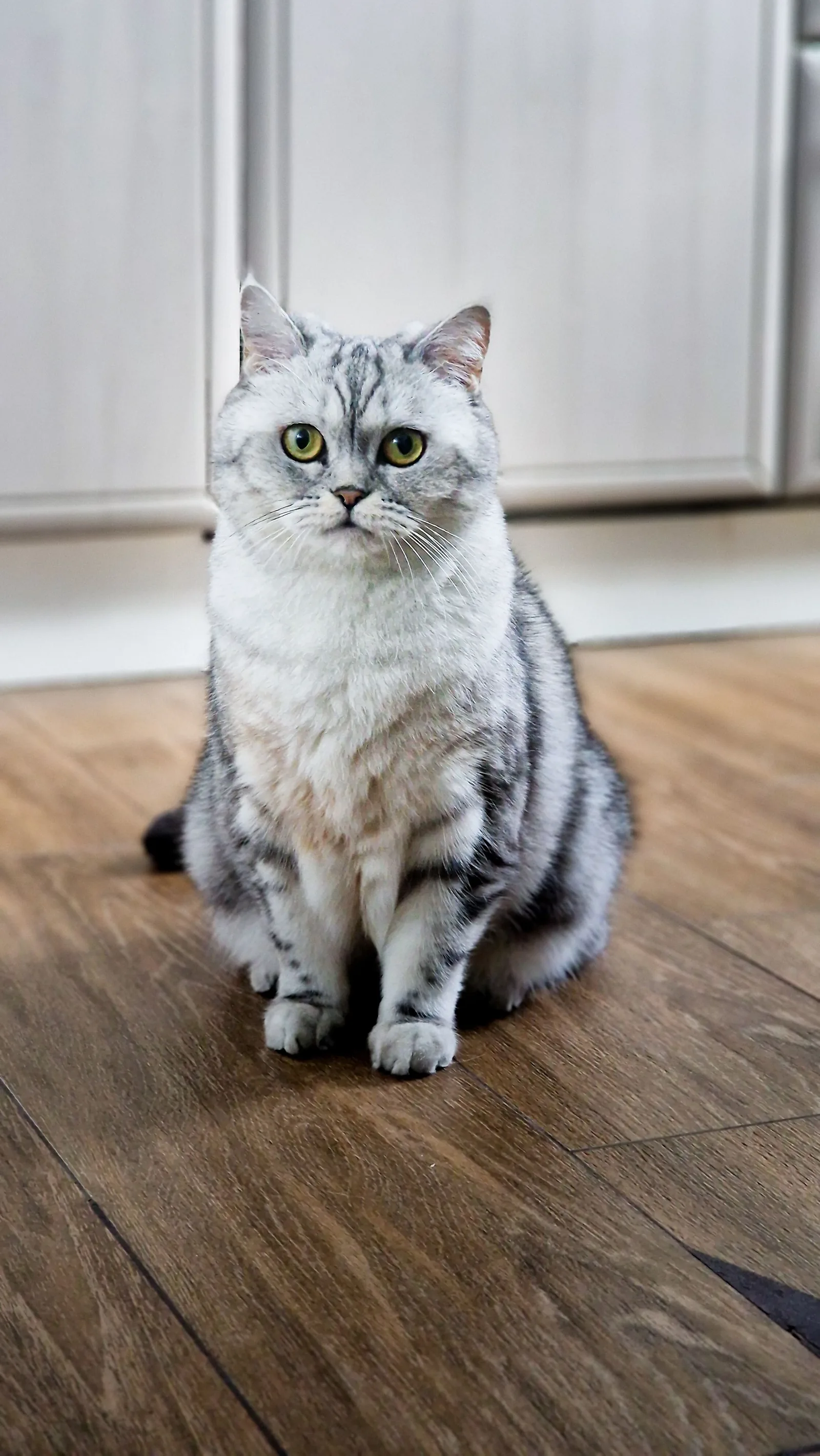
Sources checked September 6, 2026
CFA's #9 most popular breed, 2026 · one of CFA's 5 founding breeds, 1906
American Shorthair
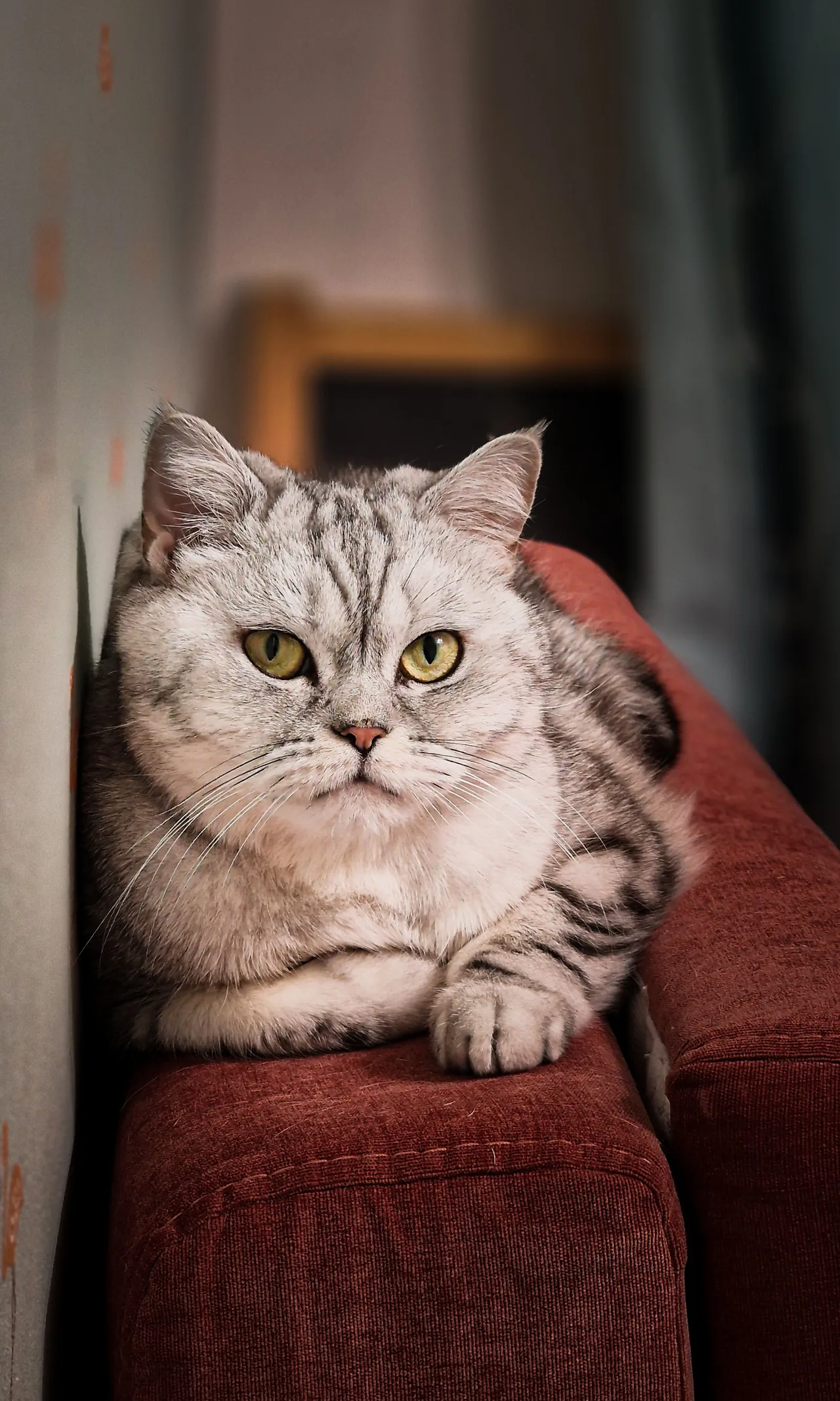
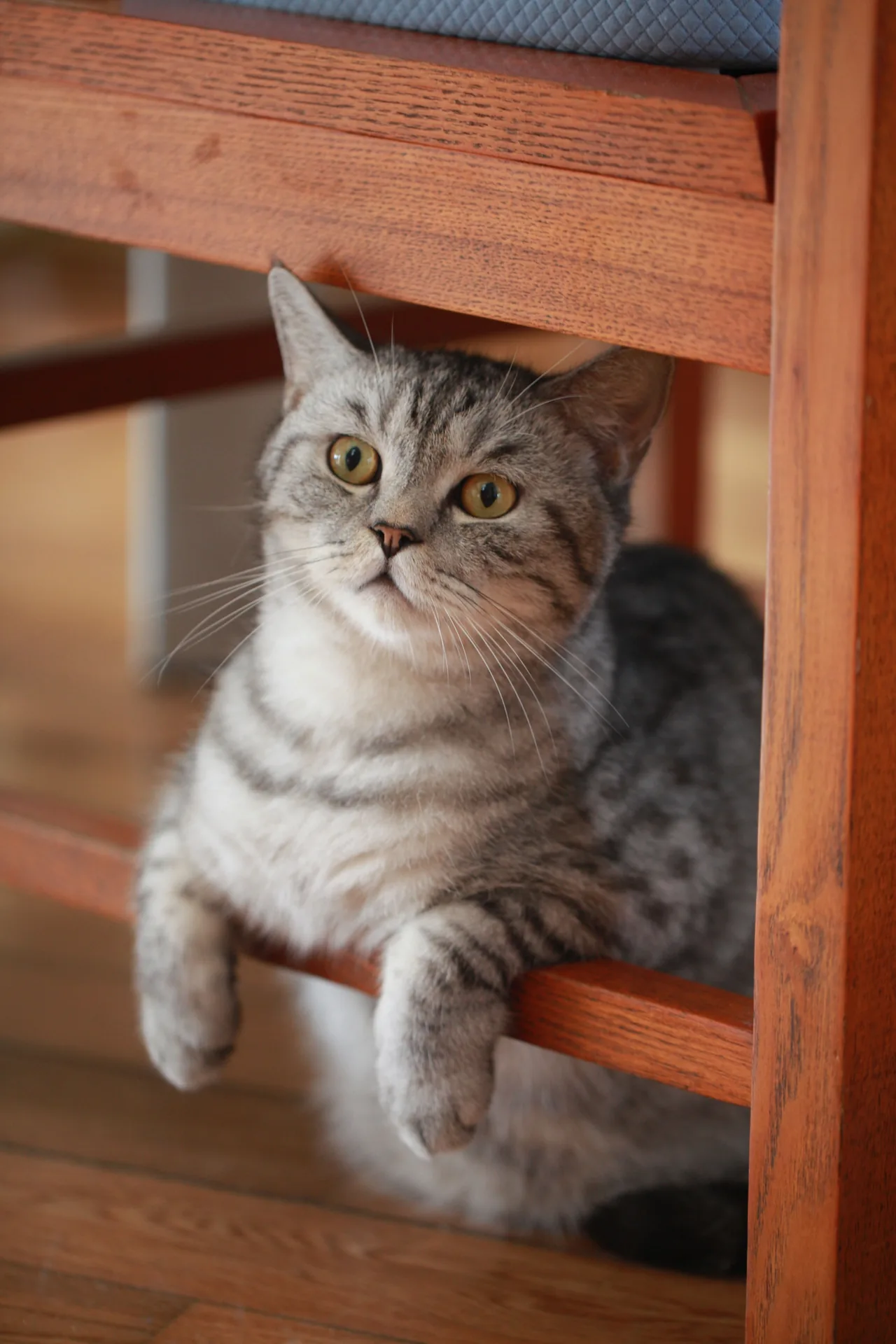
Descended from working ship and farm cats, and still built like it. Here is what the Cat Fanciers' Association's own breed standard says about the American Shorthair, read directly from those sources, not reworded from a listicle.
Temperament
CFA describes the American Shorthair as "a true breed of working cat" with an "even temperament" and "independent" streak, noting patience, intelligence, and a strong hunting instinct. CFA specifically calls out that they are "skilled at communicating with their humans without the need for loud vocalizations," famous for a "silent meow" greeting. Source: CFA, American Shorthair breed page.
Health and care: what actually matters with this breed
The breed's working-cat history is directly documented: short-haired cats "arrived in North America aboard early settler ships to control rodents," later accompanying pioneers westward "earning their keep by protecting farms and homes from vermin." They were shown at the first American cat show in 1895 and were originally called "Domestic Shorthairs" until renamed American Shorthair in 1965.
On health, CFA's own account is a genuine improvement story rather than an ongoing concern: hypertrophic cardiomyopathy (HCM) "appeared in the 1980s-90s but has largely disappeared from the breed" due to preventive testing and selective breeding. CFA states the breed is "not currently known for any breed-specific health problems," a claim that comes with real, documented history behind it rather than being a default assumption. Source: CFA, American Shorthair breed page.
Feeding
There is no American Shorthair-specific feeding chart worth trusting from a general source like this one; portion needs depend on the individual cat's weight, age, and activity level, and a vet is better positioned to set that than a breed page. Given the breed's strong hunting instinct and activity level per CFA's own standard, interactive feeding toys can be a genuine outlet, not just enrichment marketing.
Questions people actually search
Do American Shorthairs still have heart disease risk?
Per CFA's own account, HCM appeared in the breed in the 1980s and 90s but has "largely disappeared" thanks to preventive testing and selective breeding. The risk is not zero for any breed, but CFA's own history frames it as a managed, improving picture, not an ongoing crisis.
What is a "silent meow"?
A greeting CFA specifically attributes to this breed: the cat opens its mouth and goes through the motions of meowing with little or no audible sound. CFA frames it as part of the breed's broader skill at communicating without loud vocalizations.
Why does my American Shorthair hunt toys so aggressively?
Consistent with documented breed history. These cats were bred and selected for generations specifically for hunting ability, first on ships and then on farms, so a strong prey drive toward toys is the breed's working history showing up in a domestic setting, not unusual aggression.