 Breed
Breed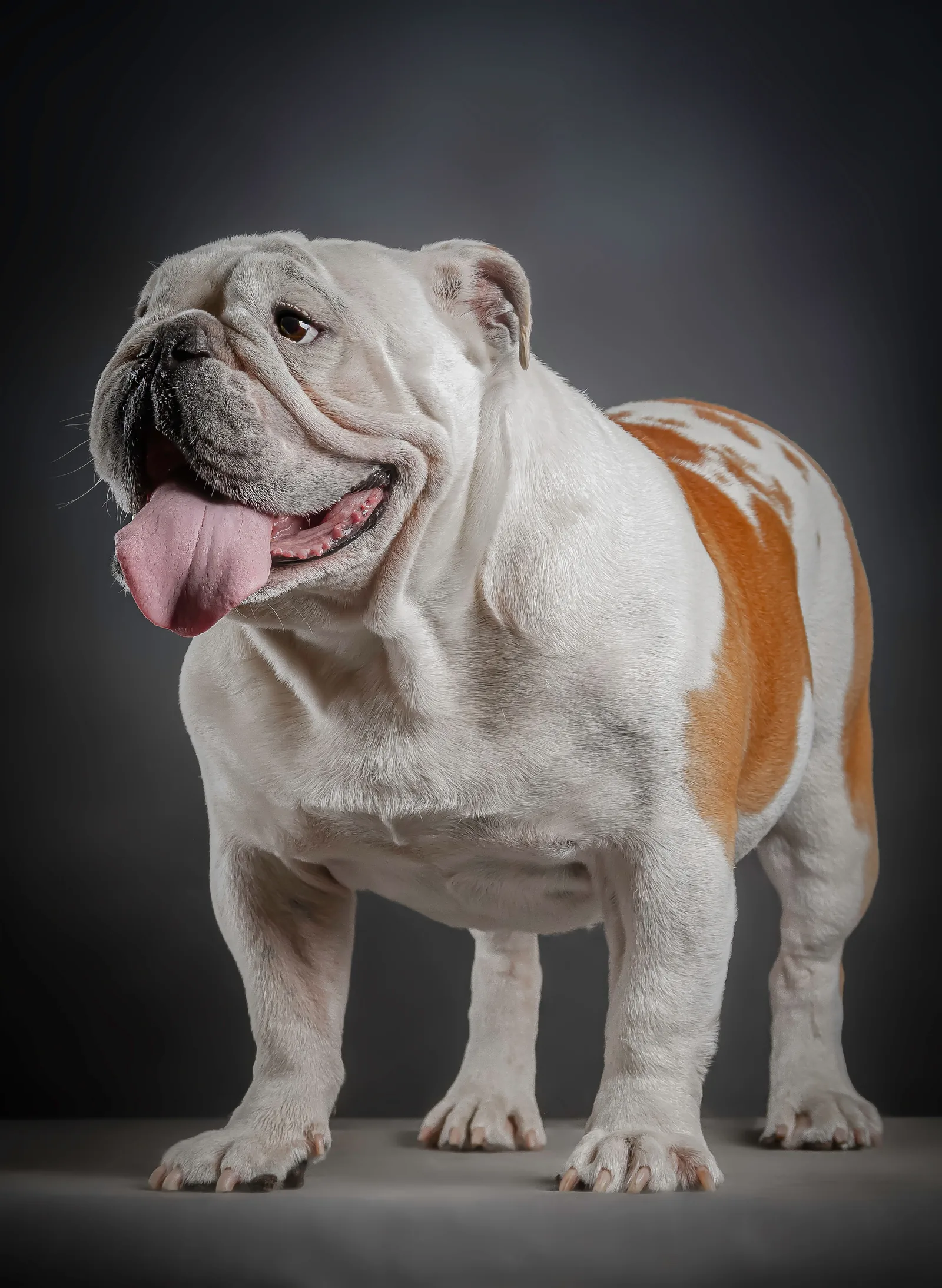
Sources checked September 3, 2026
Non-Sporting Group · AKC's #10 most popular breed, 2025
Bulldog
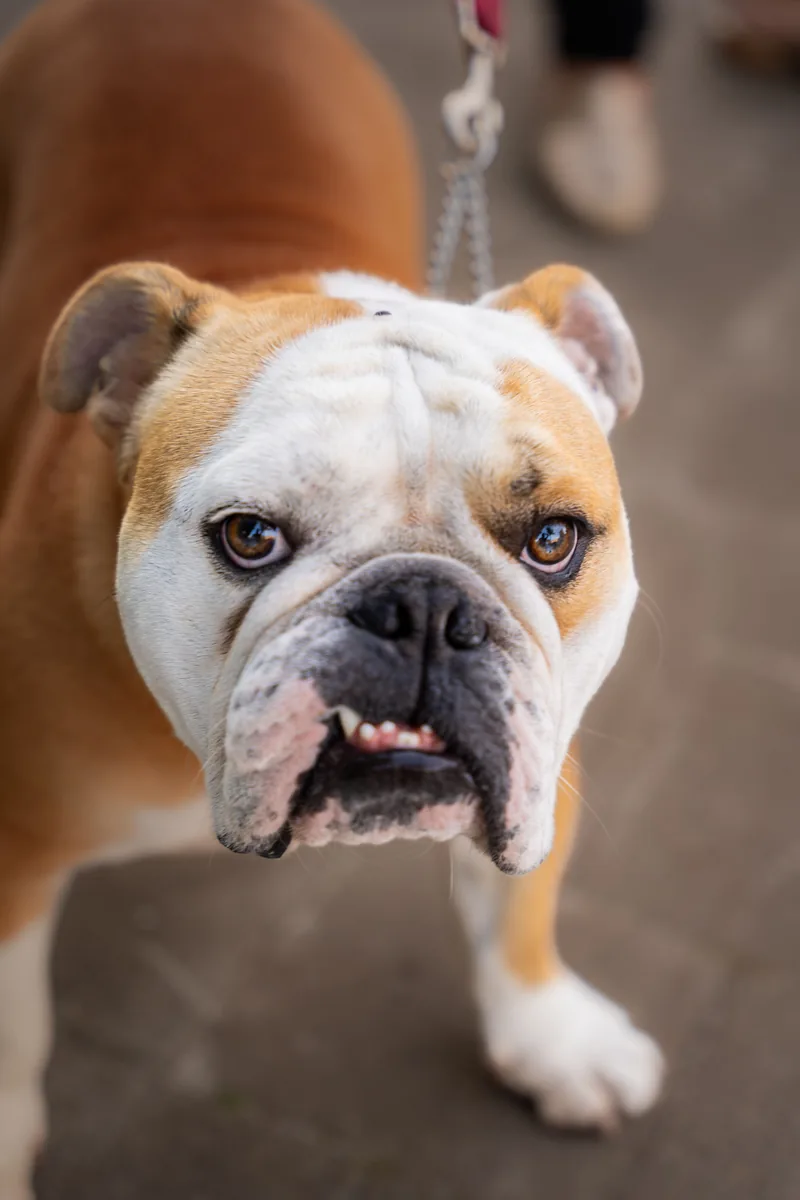
Calm, courageous, and built low to the ground, with a face that needs daily upkeep. Here is what the AKC's own breed page and real veterinary research say about the Bulldog, read directly from those sources, not reworded from a listicle.
Temperament
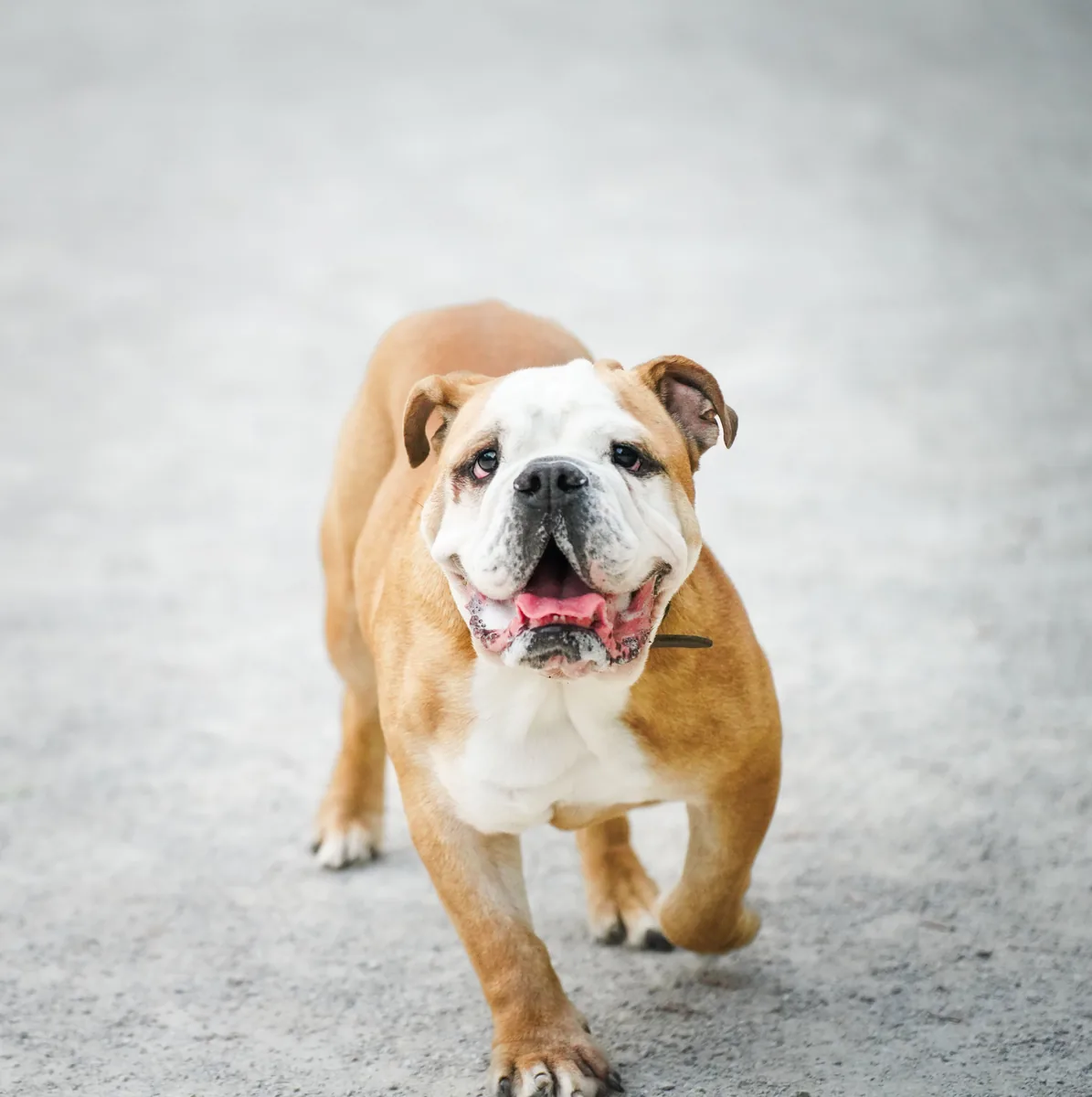
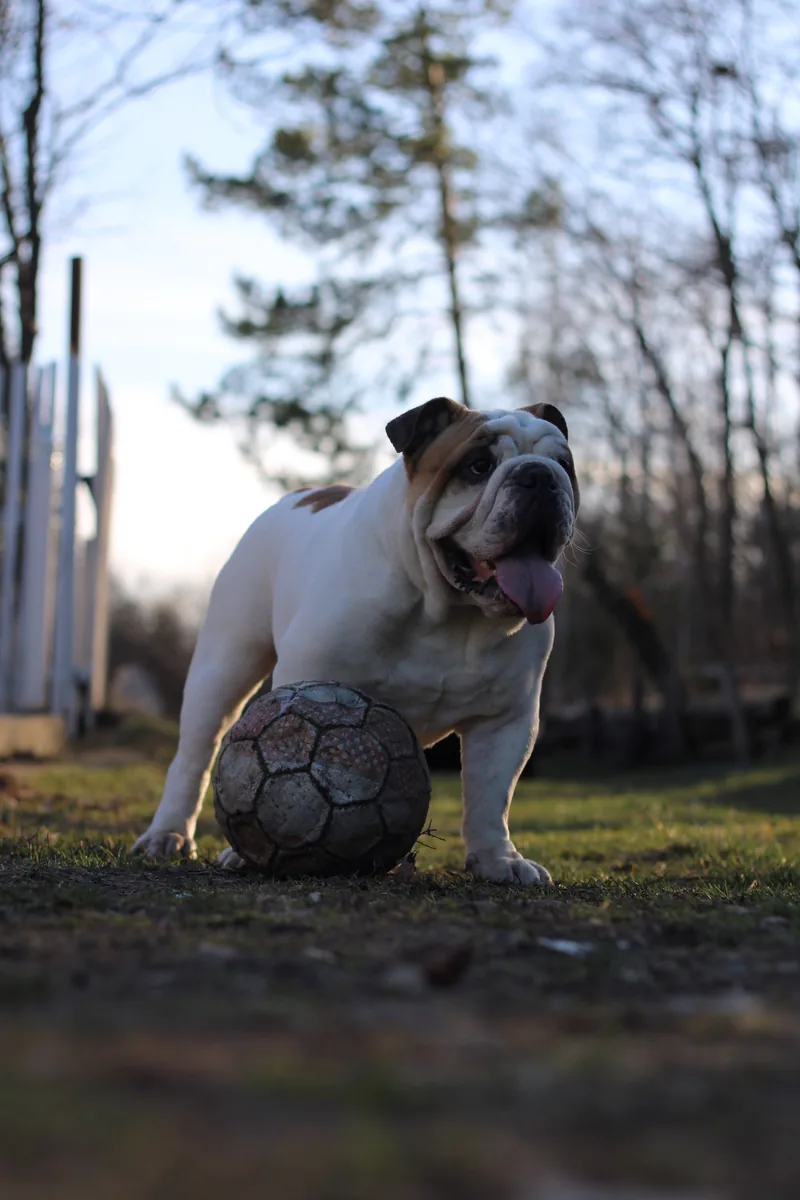
In the AKC's own words: "Kind but courageous, friendly but dignified, the Bulldog is a thick-set, low-slung, well-muscled bruiser whose sourmug face is the universal symbol of courage and tenacity. These docile, loyal companions adapt well to town or country." The AKC lists the breed's core traits as friendly, courageous and calm, and separately describes Bulldogs as "sweet, devoted, and easygoing" dogs that want to please their owner, while still recommending early socialization and puppy classes to curb any undesirable behavior before it starts. Source: AKC, Bulldog breed page.
Health and care: what actually matters with this breed
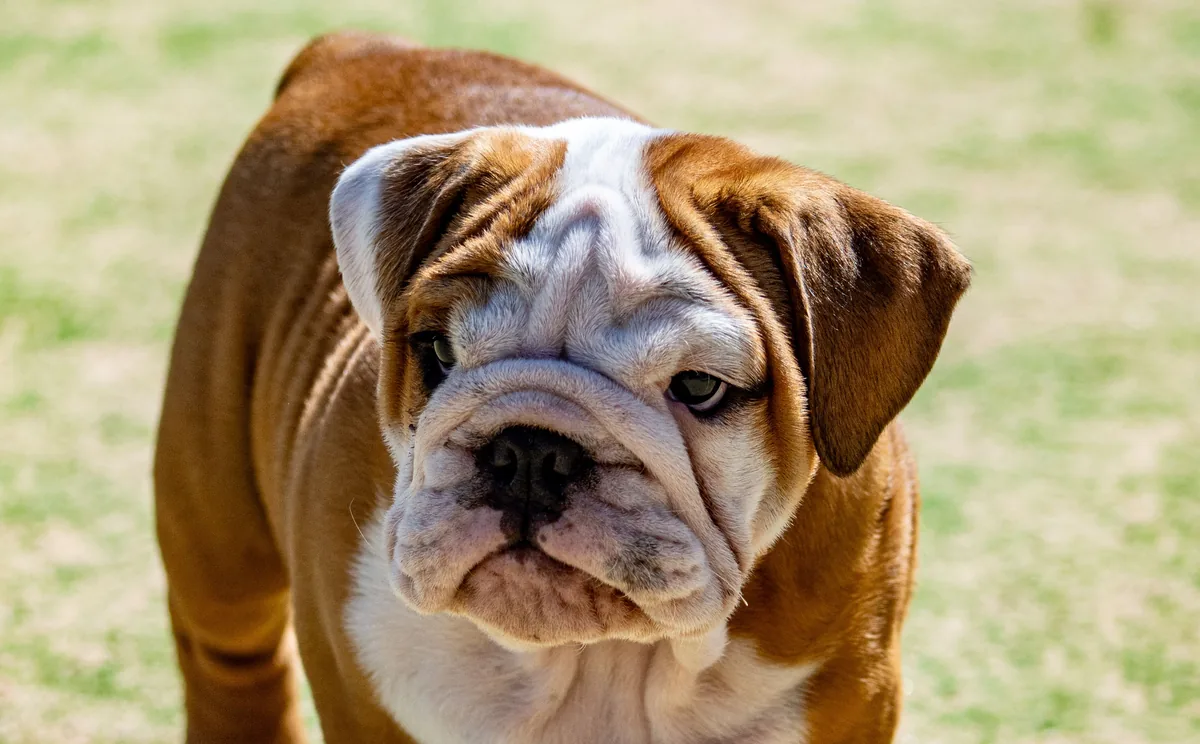
The Bulldog's flat face, heavy wrinkles and thick-set body are the breed's defining traits, and they come with some of the highest documented health risks of any AKC-recognized breed. This is not a minor cosmetic note; it shapes almost everything about caring for one.
Breathing. A peer-reviewed study combining physical exams, an exercise tolerance test and whole-body barometric plethysmography found that 51.2% of the 201 Bulldogs examined were affected by Brachycephalic Obstructive Airway Syndrome (BOAS), caused by narrowed nostrils, an elongated soft palate and a narrowed airway. A separate study based on UK veterinary clinical records found a much lower figure, 4.2% of English Bulldogs formally diagnosed with BOAS during an actual vet visit, which shows how much the number depends on whether dogs are tested directly or only counted once an owner brings in a visibly struggling dog. Sources: Liu et al., "Conformational risk factors of BOAS in pugs, French bulldogs, and bulldogs," PLOS ONE, 2017; O'Neill et al., "English Bulldogs in the UK: a VetCompass study," Canine Medicine and Genetics, 2022.
Heat. The AKC's own care guidance is direct: "Bulldog owners should be vigilant to ensure their dog does not become overheated," warning that an overheating Bulldog's tongue will hang out unusually far and take on a bluish cast, at which point cooling the dog down, not a wait-and-see approach, is needed. The AKC's separate guidance on overheating spells out how: spray cool (not cold) water on the coat, because cold or icy water can actually reduce heat loss by constricting blood vessels, and see a vet even if the dog seems to recover. This lines up with the AVMA's general walking guidance, which specifically calls out brachycephalic dogs as needing more frequent rests, shorter walks, and a schedule built around avoiding the hottest part of the day. Sources: AKC, Bulldog breed page (above); AKC, "Overheating in Dogs: Signs, Symptoms, Prevention"; AVMA, "Walking or running with your dog".
Hips. Per the Orthopedic Foundation for Animals' own hip dysplasia database, the Bulldog ranks third worst of all breeds tracked: as of September 20, 2026, of 1,664 Bulldogs evaluated, 70.9% were rated dysplastic (34.2% mild, 24.6% moderate, 12.1% severe), and only 26.9% were rated normal (OFA updates its database continuously). This is one of the highest hip dysplasia rates OFA has on record for any breed. Source: OFA, Hip Dysplasia Statistics by Breed.
Skin and eyes. A VetCompass study of 2,662 English Bulldogs in the UK found skin fold dermatitis in 6.7% of dogs, a rate about 38 times higher than in other breeds, and a prolapsed nictitating membrane gland ("cherry eye") in 5.7%, a rate about 27 times higher than in other breeds. Per the AKC, the national breed club also recommends screening breeding stock with a patella evaluation, a cardiac exam and a tracheal hypoplasia radiograph. Sources: O'Neill et al., VetCompass study (above); AKC, Bulldog breed page (above).
Feeding
There is no Bulldog-specific feeding chart worth trusting from a general source like this one; portion needs depend on the individual dog's weight, age, and activity level, and a vet is better positioned to set that than a breed page. One thing is worth flagging specifically for this breed. The same peer-reviewed study behind the BOAS numbers above also tested body condition score as a risk factor and found it significantly linked to higher odds of BOAS in Bulldogs specifically (odds ratio 1.56 per point of body condition score, p = 0.022), with over a third of the Bulldogs in that study already classified as obese. Weight is one of the few factors an owner controls directly that the study links to this breed's single biggest health risk.
Questions people actually search
Why does my Bulldog snore and snort so much?
The same narrowed airway behind BOAS is the cause. A soft palate, nostrils and throat sized for a normal-length muzzle are compressed into a much shorter face. A peer-reviewed functional study found just over half of Bulldogs tested were affected by some degree of BOAS, so snoring and snorting are common in the breed, but loud, labored breathing while awake, fainting, or blue-tinged gums after exercise are not normal and need a vet visit.
Can Bulldogs live in hot climates?
Not without real precautions. The AKC's own care guidance tells owners to watch closely for overheating and to start cooling an affected dog right away with cool (not cold or icy) water, then see a vet even if the dog seems to recover. General veterinary exercise guidance specifically singles out brachycephalic breeds as needing shorter walks and more rest timed around cooler parts of the day. A Bulldog can live in a hot climate, but "just walk it in the morning like any other dog" understates the risk for this specific breed.
Do all Bulldogs get hip dysplasia?
No, but the breed's documented rate is unusually high. OFA's own hip dysplasia database shows 70.9% of the 1,664 Bulldogs evaluated as of September 20, 2026 were rated dysplastic, one of the highest rates of any breed OFA tracks, while just under 27% were rated normal. That is a breed-level statistic, not a guarantee for any specific dog, but it is real enough that a hip evaluation on breeding stock, and a vet conversation about joint health for a pet Bulldog, are both worth taking seriously.
Why do Bulldogs need their face wrinkles cleaned regularly?
Because the same skin folds that give the breed its look also trap moisture and bacteria. A VetCompass study of 2,662 English Bulldogs found skin fold dermatitis in 6.7% of dogs, a rate about 38 times higher than in other breeds. Regular cleaning and drying of the facial folds is a routine part of owning the breed, not an optional grooming extra, and a fold that stays red, sore or smelly despite regular cleaning is worth a vet visit rather than more wiping.