 Breed
Breed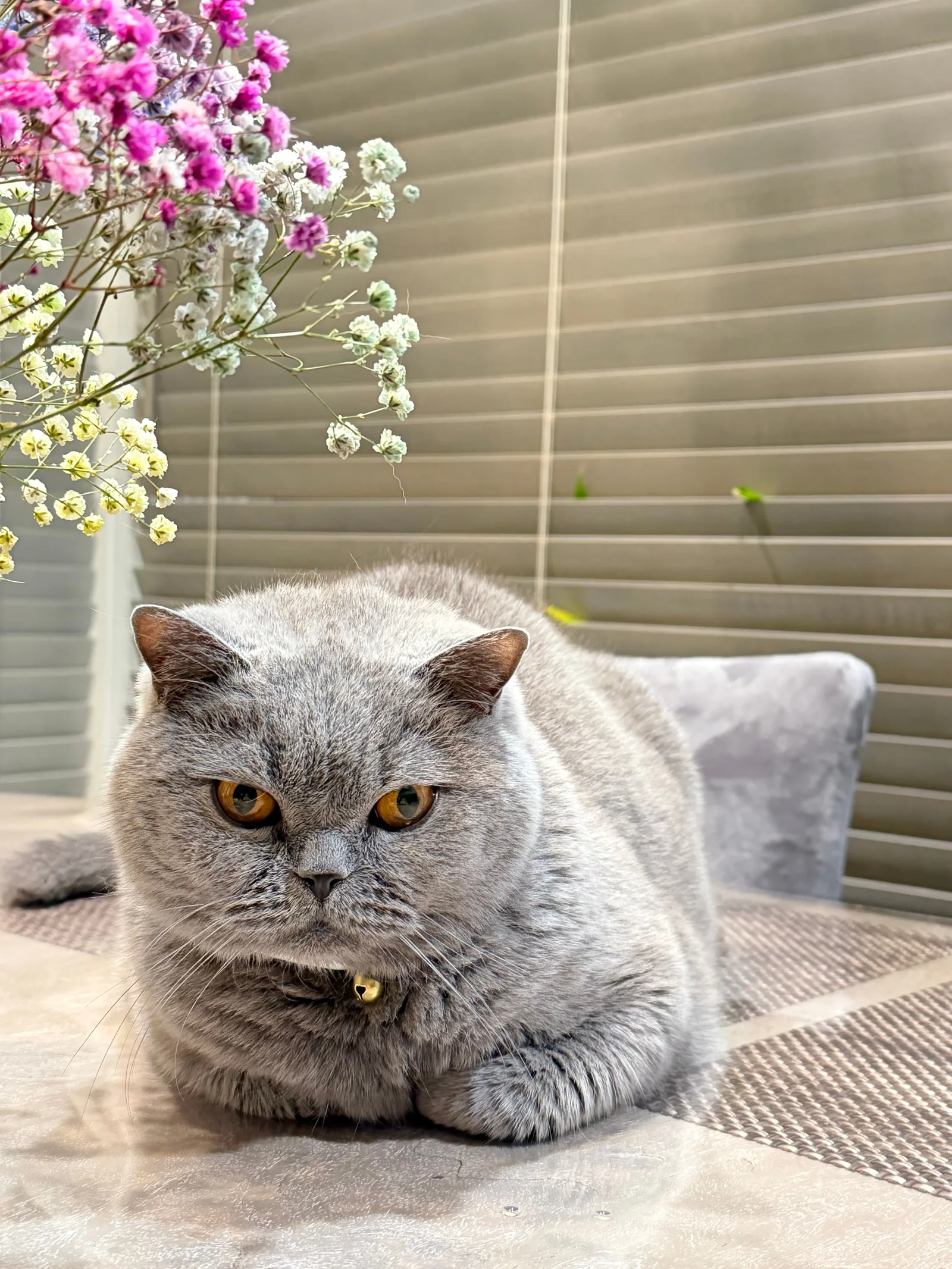
Sources checked September 6, 2026
CFA's #4 most popular breed, 2026
Exotic Shorthair
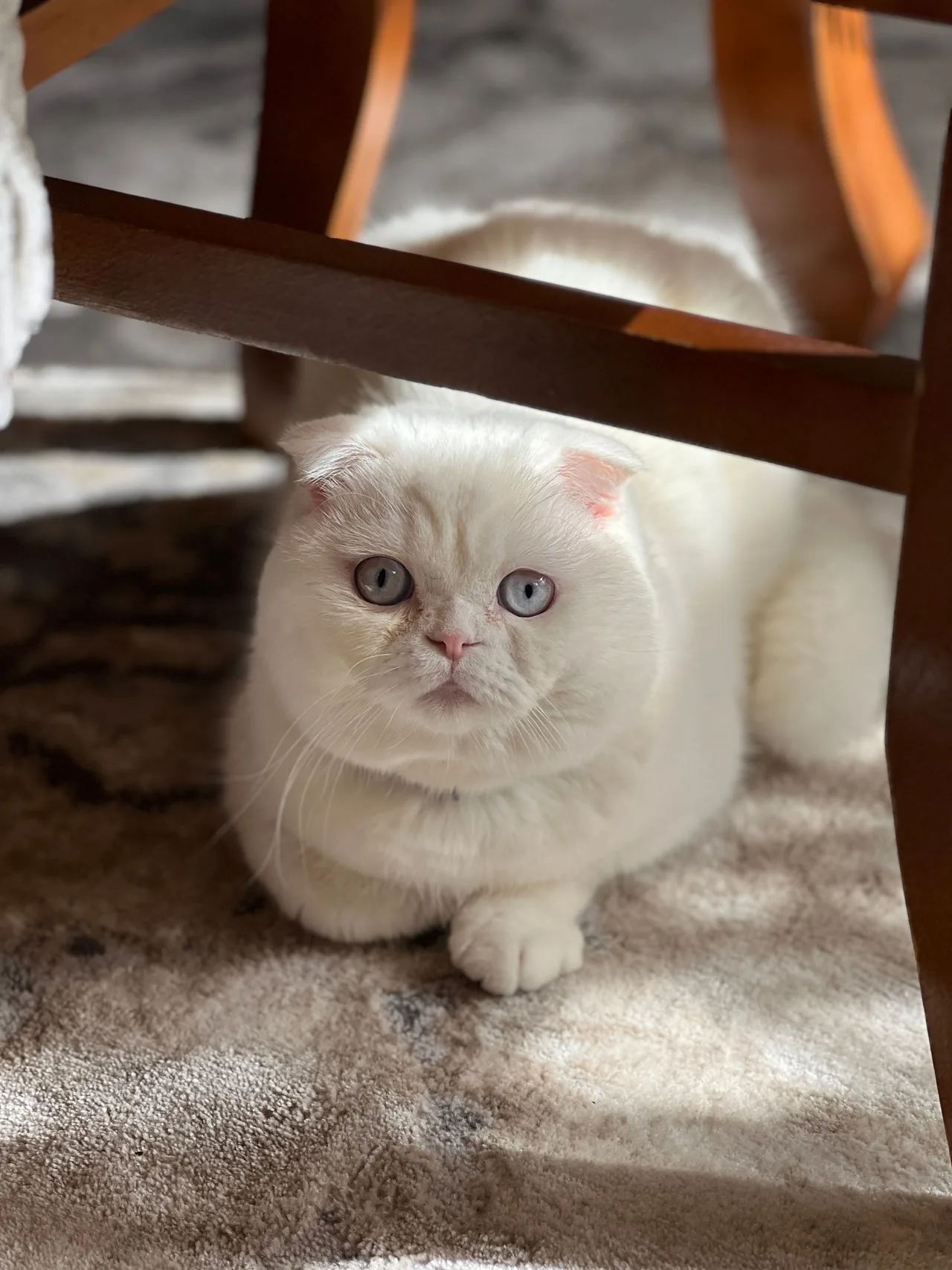
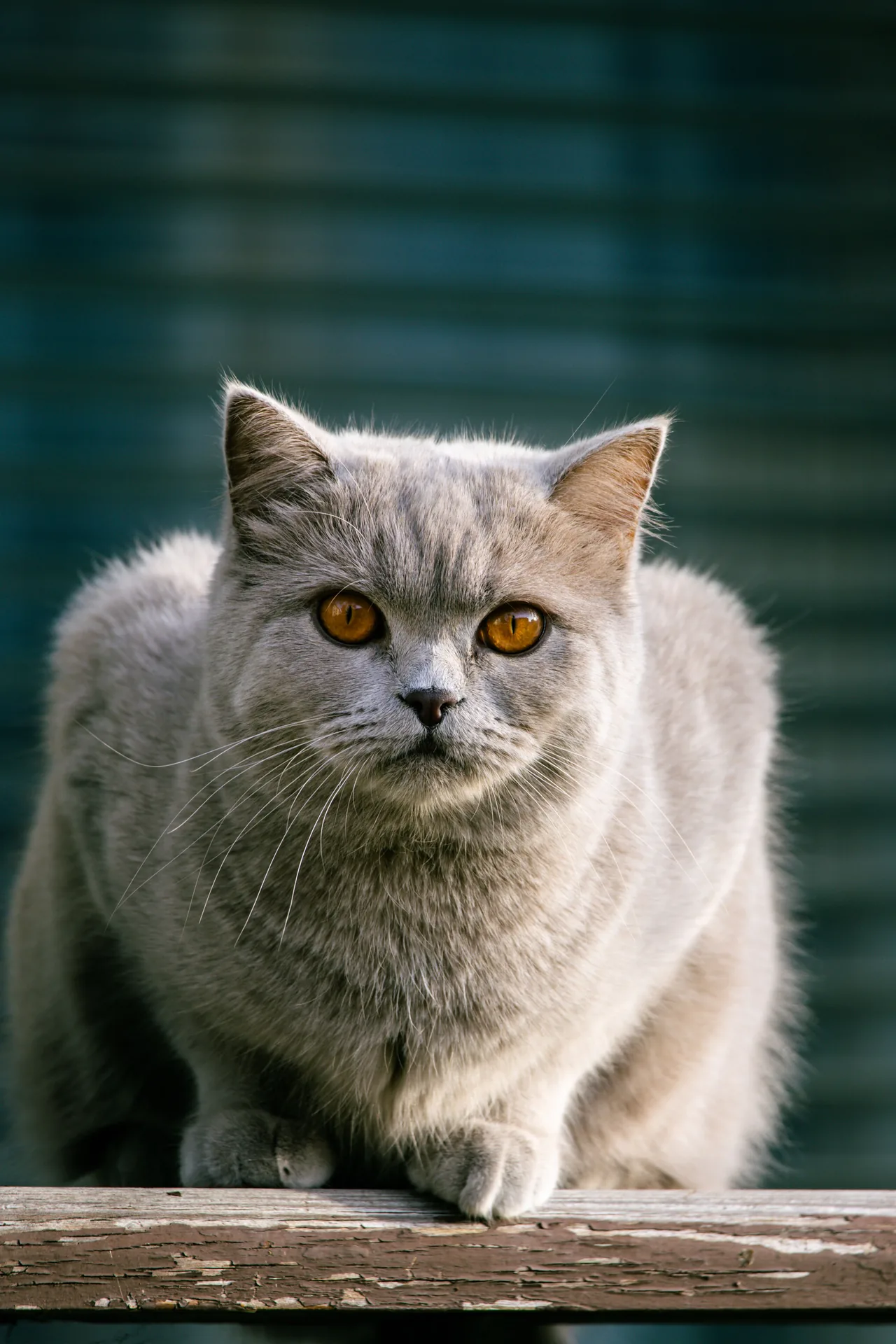
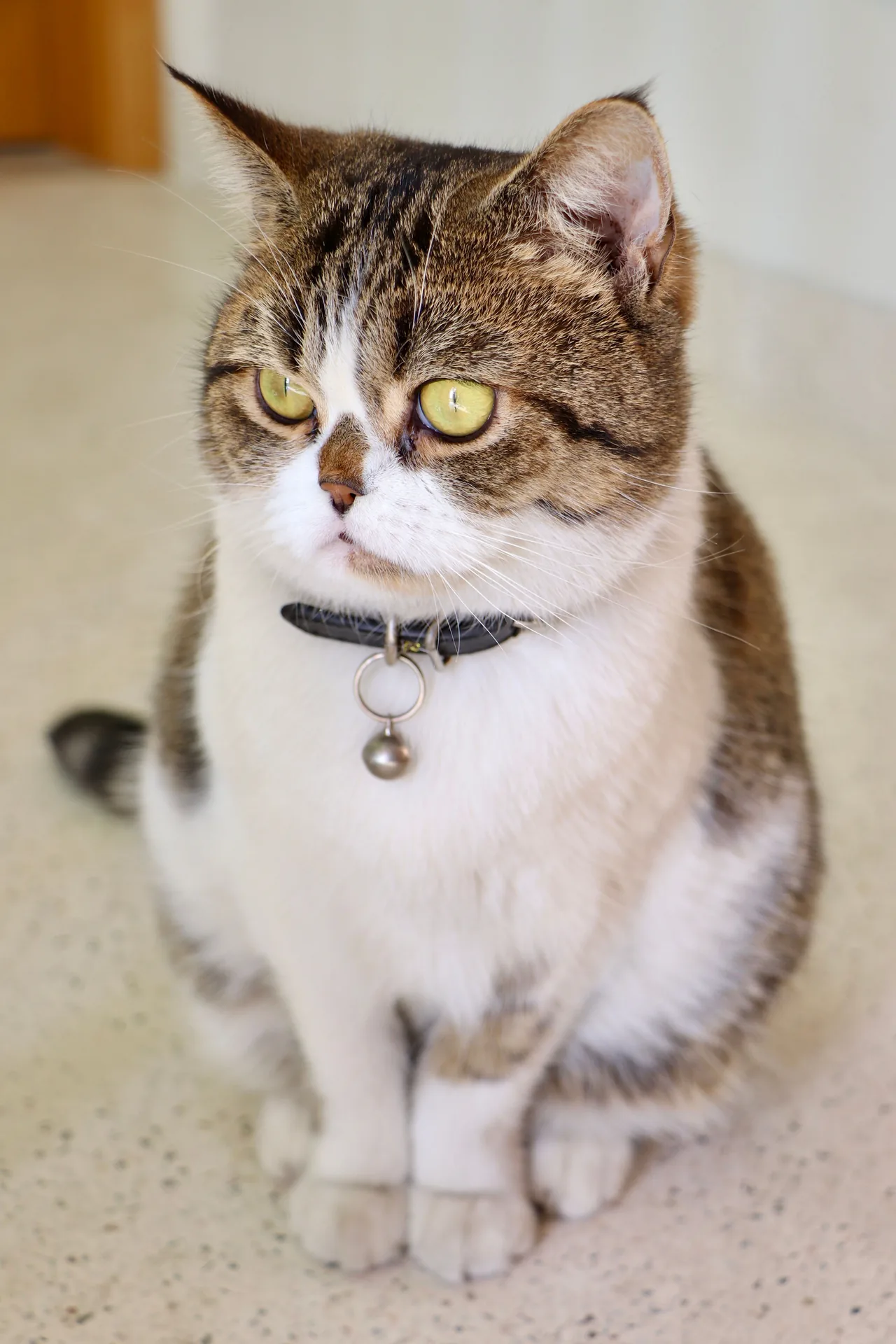
A Persian in a short coat, and genetically that description is closer to literal than a figure of speech. Here is what the Cat Fanciers' Association's own breed standard says about the Exotic Shorthair, read directly from those sources, not reworded from a listicle.
Temperament
In CFA's own words, the Exotic Shorthair is "sweet, affectionate, quiet," and "endearing and easy going." CFA describes them as "devoted but not intrusive, content to remain close to you without requiring inclusion in your activities," and notes the breed "can fit into a new home at any age." Source: CFA, Exotic breed page.
Health and care: what actually matters with this breed
The Exotic Shorthair's origin explains its health profile. Per CFA, the breed was created in the 1950s when "West Coast Persian breeders crossed their cats with American Shorthairs," and the dominant short-hair gene produced kittens with "the rounded heads, expressive round eyes, and short, cobby bodies associated with Persians." Genetically, an Exotic Shorthair is substantially a Persian, which means it carries the same major flat-face and kidney risks.
Because Exotic Shorthairs share the Persian's ancestry and body type, they carry the same risk for polycystic kidney disease (PKD1 mutation) that historically affected an estimated 37 to 38% of Persians before genetic testing became standard, and the same brachycephalic breathing considerations that come with a flat, "short, snub, and broad" muzzle, per CFA's own standard. The same DNA test used for Persians applies here. Sources: CFA, Exotic breed page; UC Davis Veterinary Genetics Laboratory, Polycystic Kidney Disease (PKD1) in cats.
More water intake is a standard part of managing that kidney risk. See a feeder built for that below →
Feeding
There is no Exotic Shorthair-specific feeding chart worth trusting from a general source like this one; portion needs depend on the individual cat's weight, age, and activity level, and a vet is better positioned to set that than a breed page. As with the Persian, a flat face can make a deep, narrow bowl physically awkward for some cats, worth watching for as a comfort issue rather than treating it as a nutrition problem.
Questions people actually search
Is an Exotic Shorthair basically a short-haired Persian?
Genetically, yes. CFA's own history of the breed describes it as the result of crossing Persians with American Shorthairs, with the short-hair gene dominant enough to produce kittens with a Persian's rounded head and cobby body under a short coat.
Does my Exotic Shorthair need to be tested for the same diseases as a Persian?
Given the shared ancestry, yes, PKD (via the PKD1 gene test) is worth asking a vet or breeder about, the same way it matters for Persians. The short coat does not change the underlying genetics.
Why does my Exotic Shorthair snore?
Likely the same flat-faced airway structure CFA's own standard describes: a "short, snub, and broad" nose. Occasional snoring is common in flat-faced breeds; loud, labored breathing while awake is not normal and is worth a vet visit.
Recommended products for Exotic Shorthair
These are affiliate links: BreedVerified may earn a commission on qualifying purchases, at no extra cost to you. We only recommend products chosen for this breed's specific documented needs, never a generic pick. See our affiliate disclosure.

Neakasa Riko Fresh-Made Wet Meal Feeder
Genetically substantially a Persian, this breed inherits the same documented PKD1 risk covered above, an estimated 37 to 38% historical carrier rate. Veterinary guidance for cats at kidney-disease risk consistently favors higher water intake, and feeding a wet, actively hydrated meal is a straightforward way to work toward that.