 Breed
Breed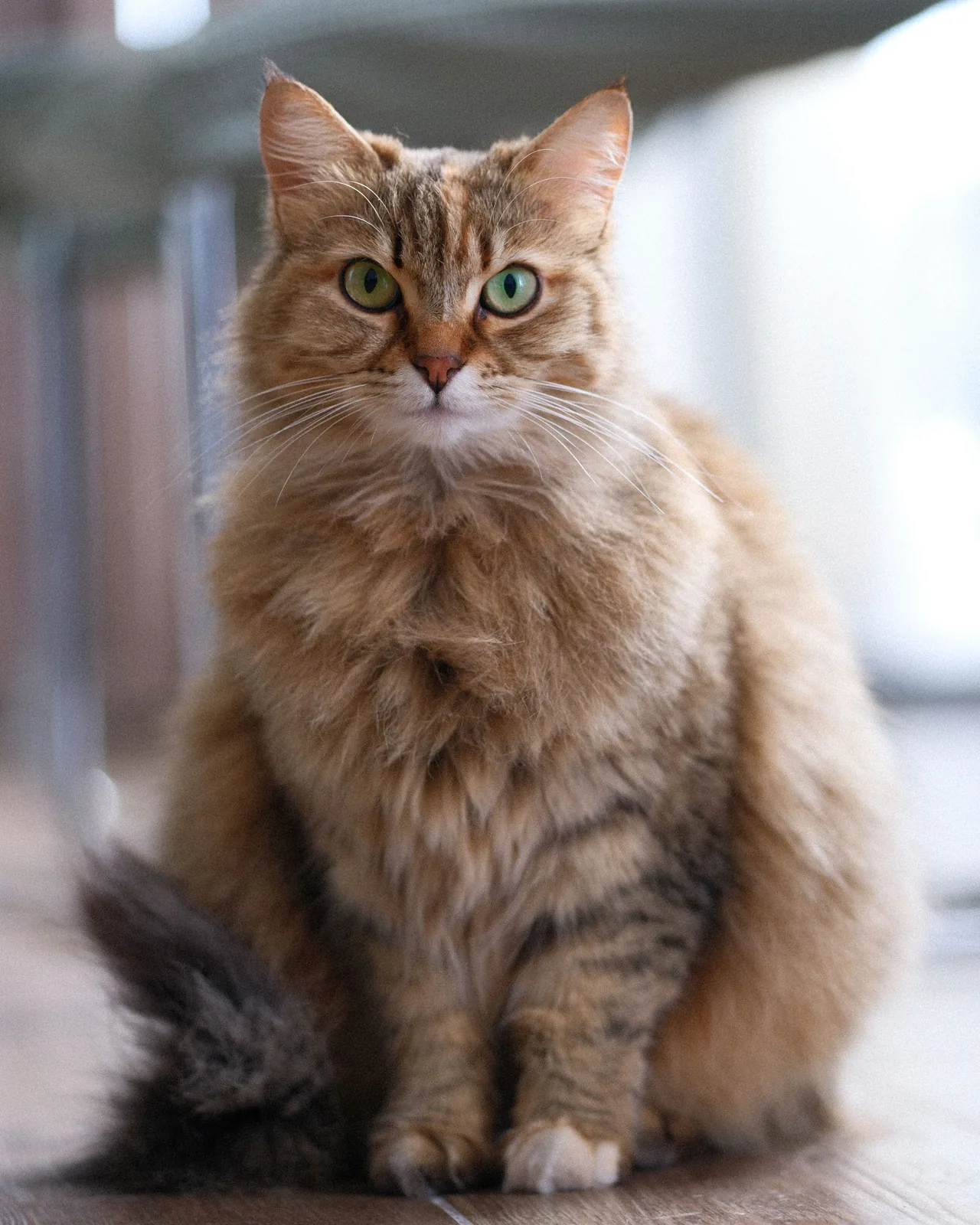
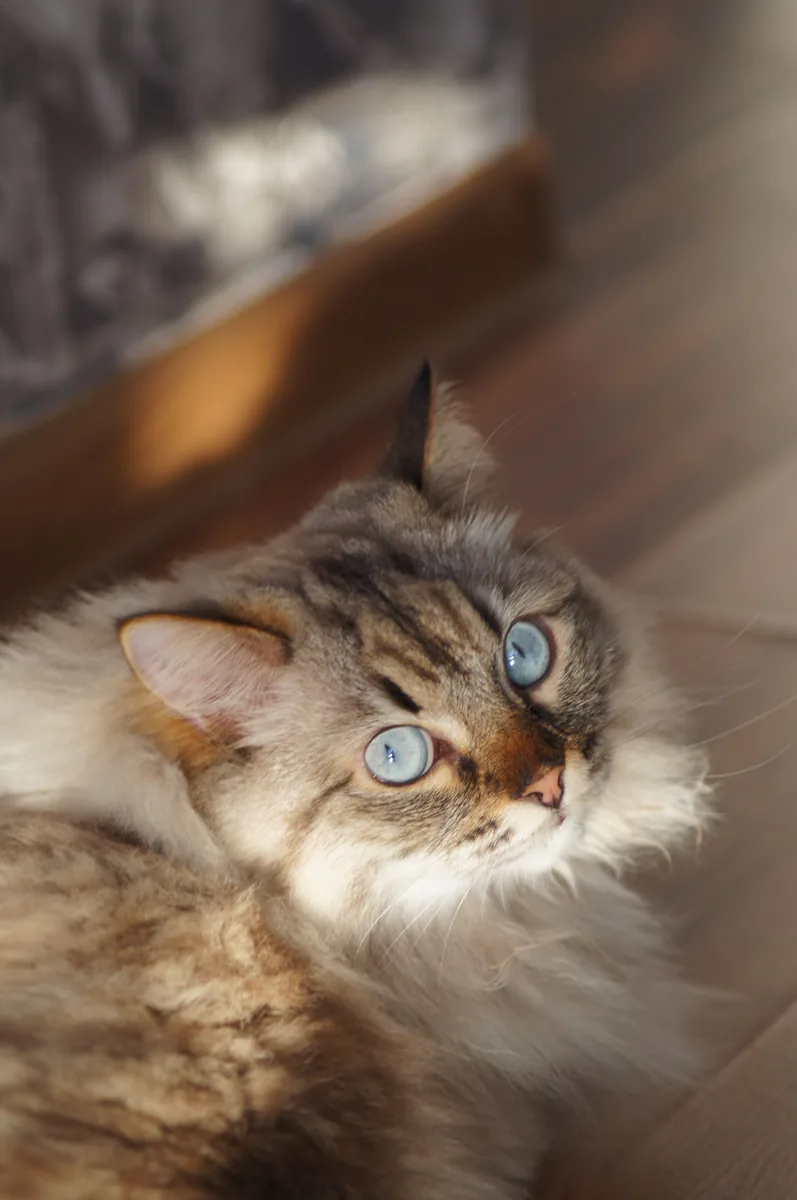
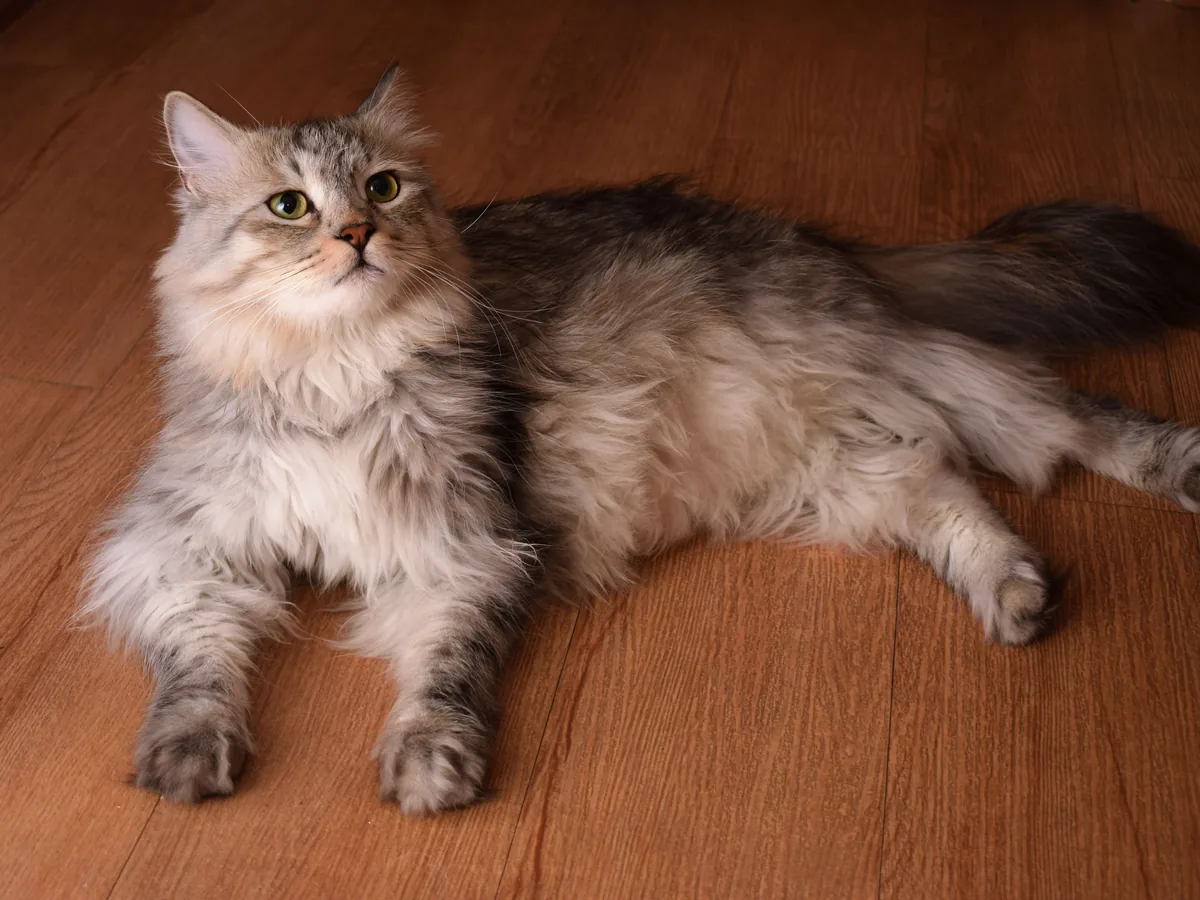
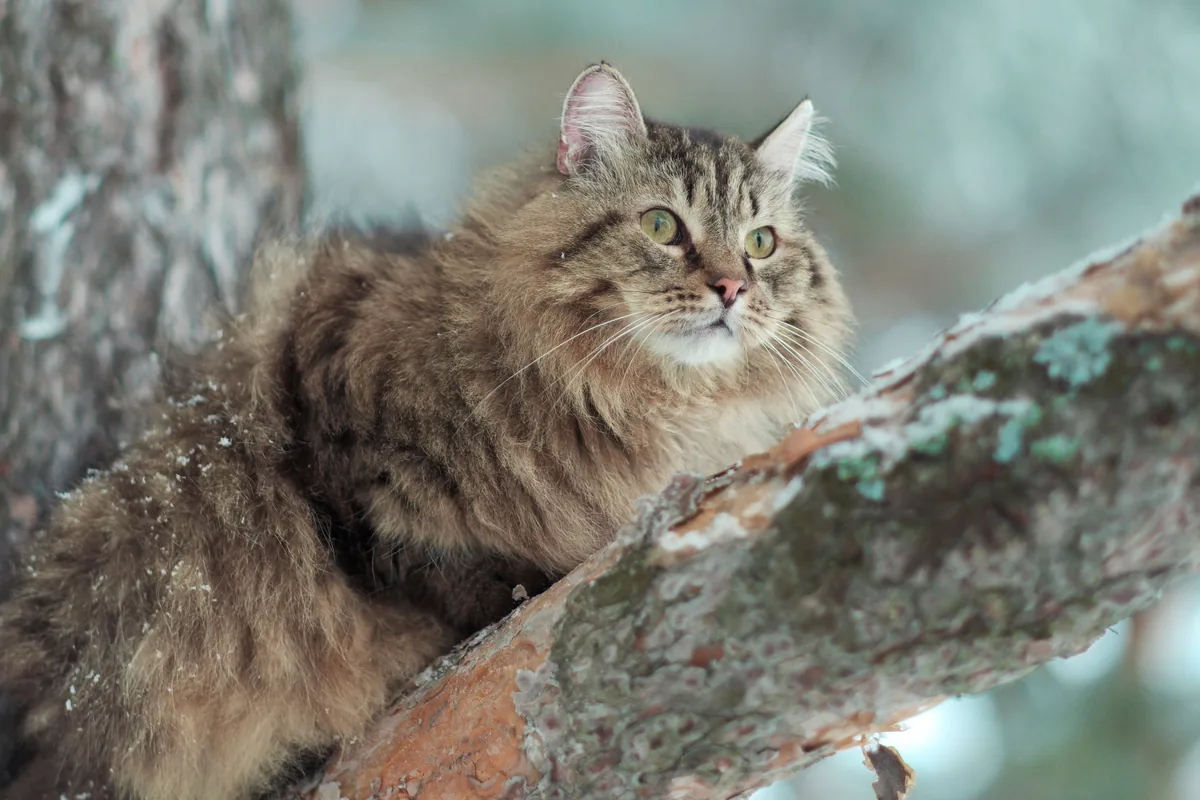
Sources checked September 6, 2026
CFA's #8 most popular breed, 2026 · the national cat of Russia
Siberian
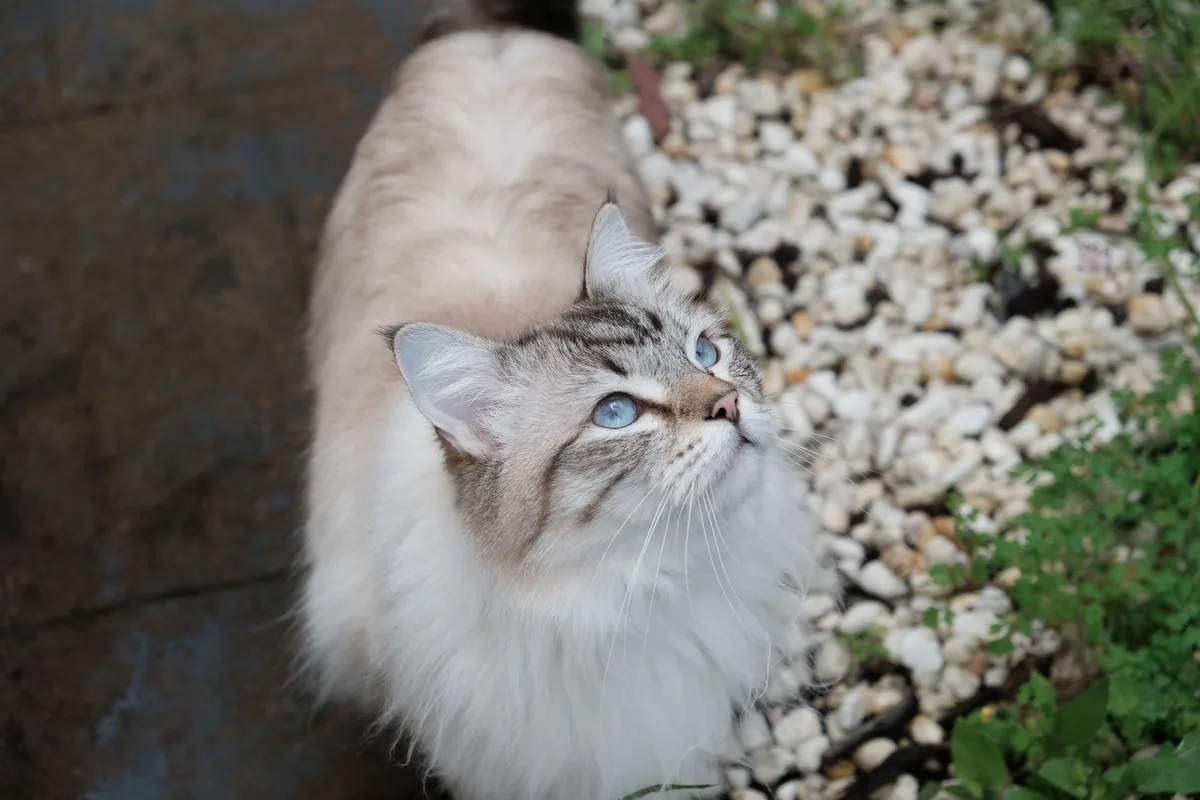
A triple-coated, slow-growing breed best known for a genetics story that is more nuanced than the marketing around it. Here is what the Cat Fanciers' Association's own breed standard and peer-reviewed allergen research say about the Siberian, read directly from those sources, not reworded from a listicle.
Temperament
In CFA's own words, the Siberian is "dog-like, intelligent and devoted," and "sociable, curious, and easygoing." CFA quotes owners describing their cats as "90% placid and 10% mischief," and the breed standard itself requires temperament to be "unchallenging." Source: CFA, Siberian breed page.
Health and care: what actually matters with this breed
Like the Maine Coon, this is a slow-maturing breed: CFA describes Siberians as "one of the slowest-maturing cat breeds, most reaching full size by three years." CFA also names hypertrophic cardiomyopathy, polycystic kidney disease and "several other recessive conditions" as concerns breeders address through genetic testing, without naming one single breed-defining mutation the way it does for some other breeds.
The Siberian's real, well-documented genetic distinction is allergen production, not heart or kidney disease. A peer-reviewed polymorphism study of the Ch1 and Ch2 genes, which encode the Fel d 1 protein responsible for most cat allergies, found "a considerable number of mutations" in Siberian cats, making this the most studied breed for reduced allergen production. Separately, Siberian Research Inc.'s study with UC Davis, testing over 1,000 Siberian cats, found roughly half produced substantially less Fel d 1 than the domestic cat average. That does not make the breed allergen-free, though; individual production varies significantly within the breed, and not every Siberian carries the low-output variant. Sources: CFA, Siberian breed page; Polymorphism Analysis of Ch1 and Ch2 Genes in the Siberian Cat, peer-reviewed.
Feeding
There is no Siberian-specific feeding chart worth trusting from a general source like this one; portion needs depend on the individual cat's weight, age, and activity level, and a vet is better positioned to set that than a breed page. Because Siberians keep growing for up to three years, the same caution that applies to Maine Coons applies here: do not rush a kitten onto adult food on a generic, faster-maturing breed's timeline.
Questions people actually search
Are Siberian cats actually hypoallergenic?
Not in an absolute sense, but the claim has real research behind it, more than for any other breed. A study testing over 1,000 Siberians found roughly half produced substantially less Fel d 1, the main cat allergen, than the domestic cat average. That means a real chance of lower allergen exposure, not a guarantee; individual cats vary, and testing a specific cat, or spending time with one before committing, is the only reliable way to know.
Should my Siberian be tested for heart or kidney disease?
Worth asking a vet or breeder about. CFA's own standard names hypertrophic cardiomyopathy and polycystic kidney disease as conditions breeders screen for genetically, alongside other recessive conditions, though CFA does not point to one single breed-defining mutation the way it does for some other breeds.
Why is my Siberian kitten still small at a year old?
Nothing to worry about. CFA's own standard describes Siberians as "one of the slowest- maturing cat breeds, most reaching full size by three years," so a Siberian still filling out well past its first birthday is on-schedule, not underdeveloped.