 Breed
Breed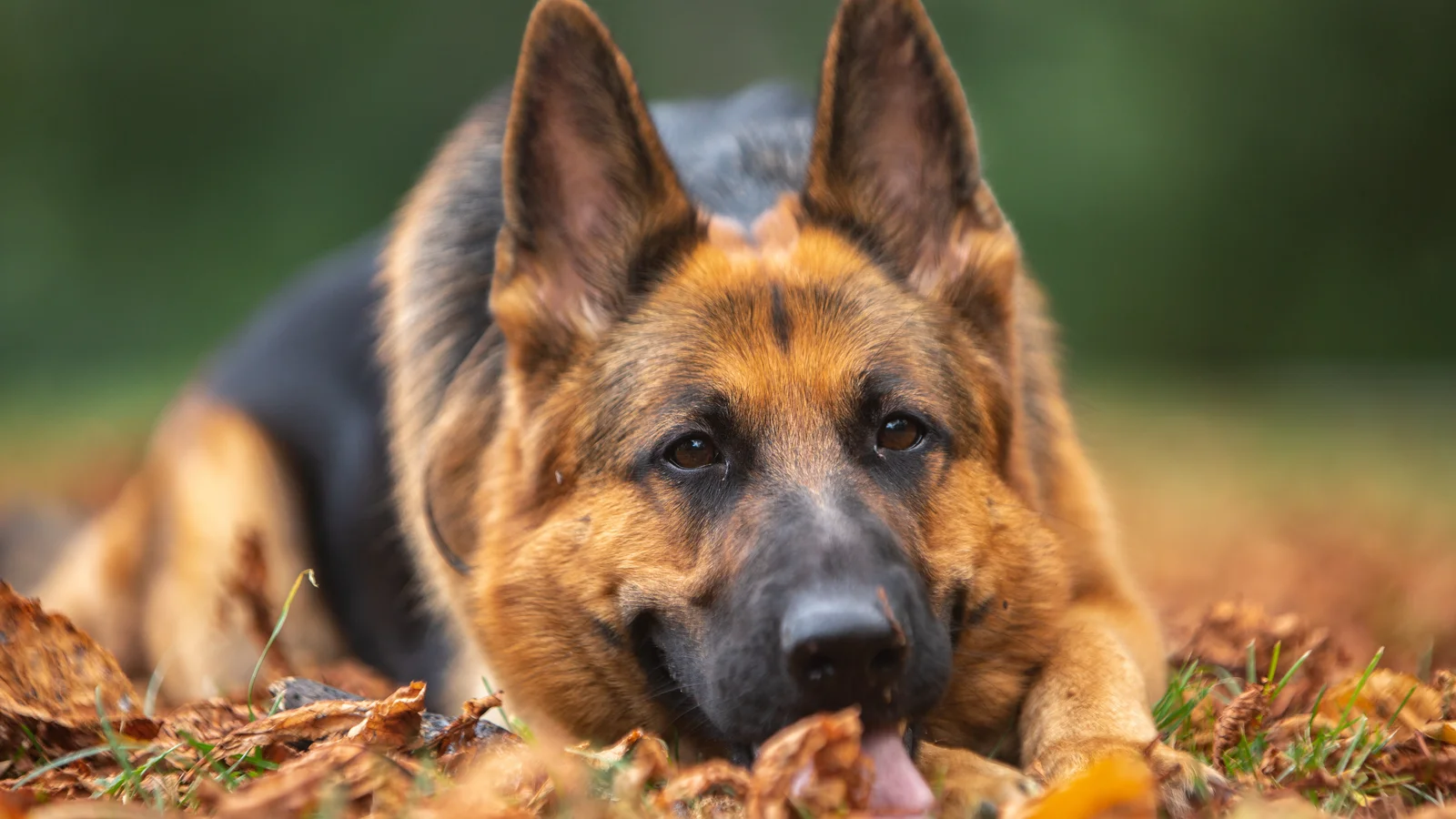

Sources checked September 2, 2026
Herding Group · AKC's #4 most popular breed, 2025
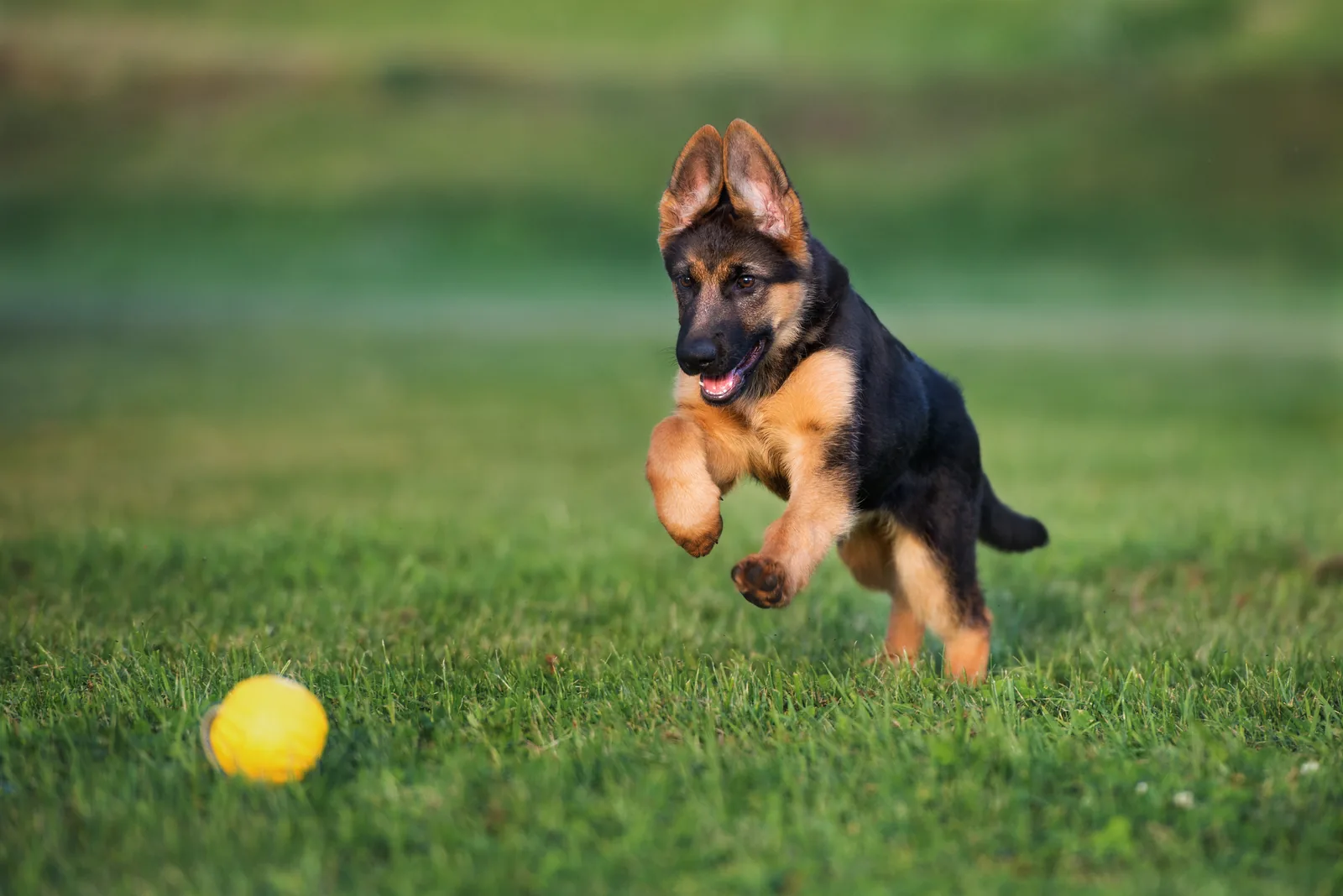
German Shepherd
Loyal, confident and famously reserved with strangers, not aloof by accident. Here is what the AKC's own breed page and real veterinary health-registry data say about the German Shepherd, read directly from those sources, not reworded from a listicle.
Temperament
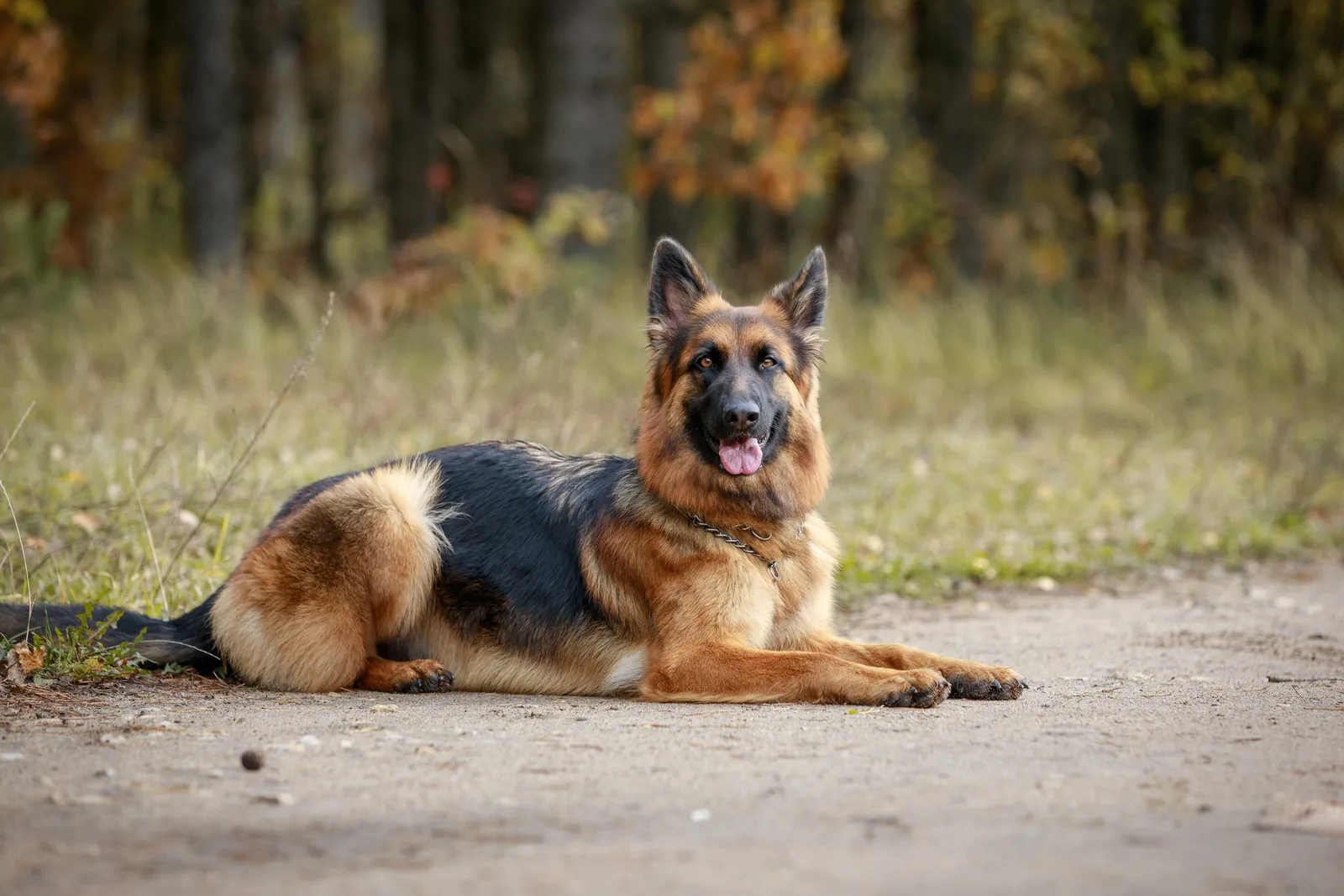
In the AKC's own words, the German Shepherd is "a large, agile, muscular dog of noble character and high intelligence," and "loyal, confident, courageous, and steady." The breed standard itself, as quoted by the AKC, describes "a certain aloofness that does not lend itself to immediate and indiscriminate friendships": Shepherds are bred to be discerning about strangers, not simply unfriendly, and that reserve is a documented, standard-defined trait rather than a training failure. Source: AKC, German Shepherd Dog breed page.
Health and care: what actually matters with this breed
Two conditions come up more than any others when this breed's health is discussed: hip dysplasia, because it is common and well tracked, and degenerative myelopathy, because it is untreatable and specifically associated with the breed.
Hip dysplasia. The Orthopedic Foundation for Animals (OFA), the health registry the AKC's own recommended health tests rely on, reports roughly 20% of German Shepherds evaluated as dysplastic, based on 146,798 hip evaluations as of September 20, 2026 (OFA updates its database continuously). That is a real, tracked rate, not an internet estimate, and it is a large part of why the AKC lists hip evaluation as a recommended health test for the breed's national club. Source: OFA, Hip Dysplasia Statistics by Breed.
Degenerative myelopathy (DM). Per the AKC, responsible breeders screen for this alongside hip and elbow dysplasia. DM is a progressive spinal cord disease that causes gradual hind-leg weakness and incontinence, typically in older dogs; there is no treatment that reverses it, though physical therapy can help maintain muscle function for a period. Early signs (hind-end weakness, difficulty standing) are easy to mistake for ordinary aging or arthritis, which is exactly why a vet evaluation matters rather than assuming it is just stiffness.
Bloat. The AKC notes German Shepherds "can experience bloat, a sudden and life-threatening swelling of the abdomen," and specifically tells owners to learn its symptoms and emergency response in advance, not after it happens.
Feeding
There is no German Shepherd-specific feeding chart worth publishing here; portion needs depend on the individual dog's weight, age, and activity level, best confirmed with a vet. Given the breed's bloat risk noted above, the more specific habit worth following is avoiding a single large meal right before or after heavy exercise, a commonly cited bloat risk factor for large, deep-chested breeds generally.
Questions people actually search
Why do German Shepherds' back legs give out as they get older?
In some dogs, the cause is degenerative myelopathy, a progressive spinal cord disease that causes gradually worsening hind-leg weakness and, eventually, incontinence. It is not the same thing as ordinary arthritis, and there is no treatment that reverses it, though physical therapy can help for a time. Because early signs look a lot like normal aging, a vet exam is the only reliable way to tell the two apart.
Is hip dysplasia really that common in German Shepherds?
Yes, and it is one of the better-tracked statistics in dog health. OFA's own database puts the rate at roughly 20% across the 146,798 German Shepherds evaluated as of September 20, 2026, which is why hip evaluation is a recommended, not optional, health test for breeding stock in this breed specifically.
Why is my German Shepherd so standoffish with strangers?
Per the breed standard itself, that is by design, not a behavior problem: the AKC quotes it directly as "a certain aloofness that does not lend itself to immediate and indiscriminate friendships." A well-socialized Shepherd can still be reserved with people it does not know while being steady and affectionate with its own family; that combination is the breed working as intended, not a training failure.