 Breed
Breed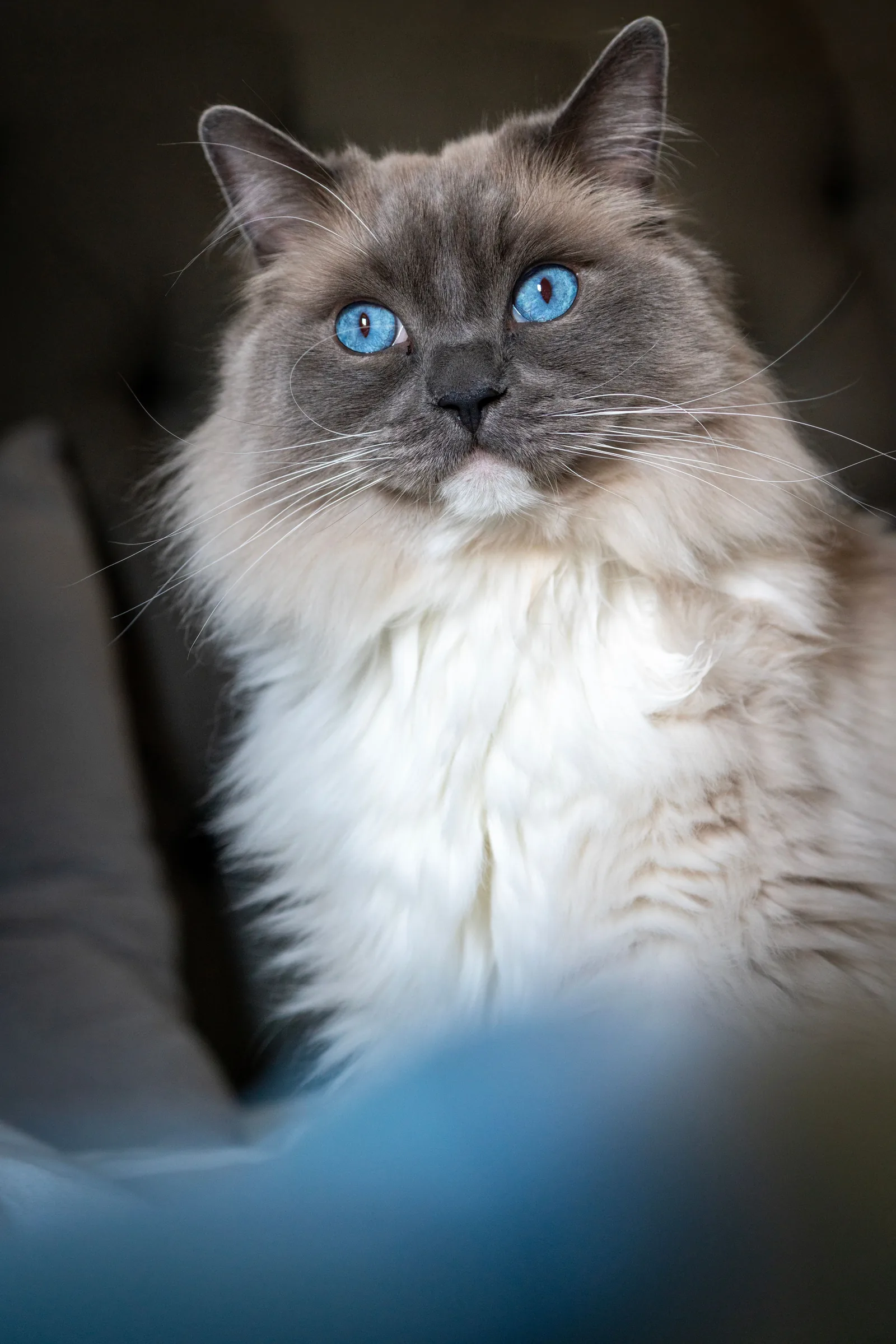
Sources checked September 6, 2026
CFA's #2 most popular breed, 2026
Ragdoll
A large, blue-eyed cat bred specifically for temperament. Here is what the Cat Fanciers' Association's own breed standard and a real genetics lab say about the Ragdoll, read directly from those sources, not reworded from a listicle.
Temperament
In CFA's own words, Ragdolls are "loving without being demanding," "gentle, calm and sociable," and "very laid back." They are "not talkative cats, but may greet you with a soft mew from time to time," and CFA specifically notes they are "very trainable and can be taught to fetch and come when called." Source: CFA, Ragdoll breed page.
Health and care: what actually matters with this breed
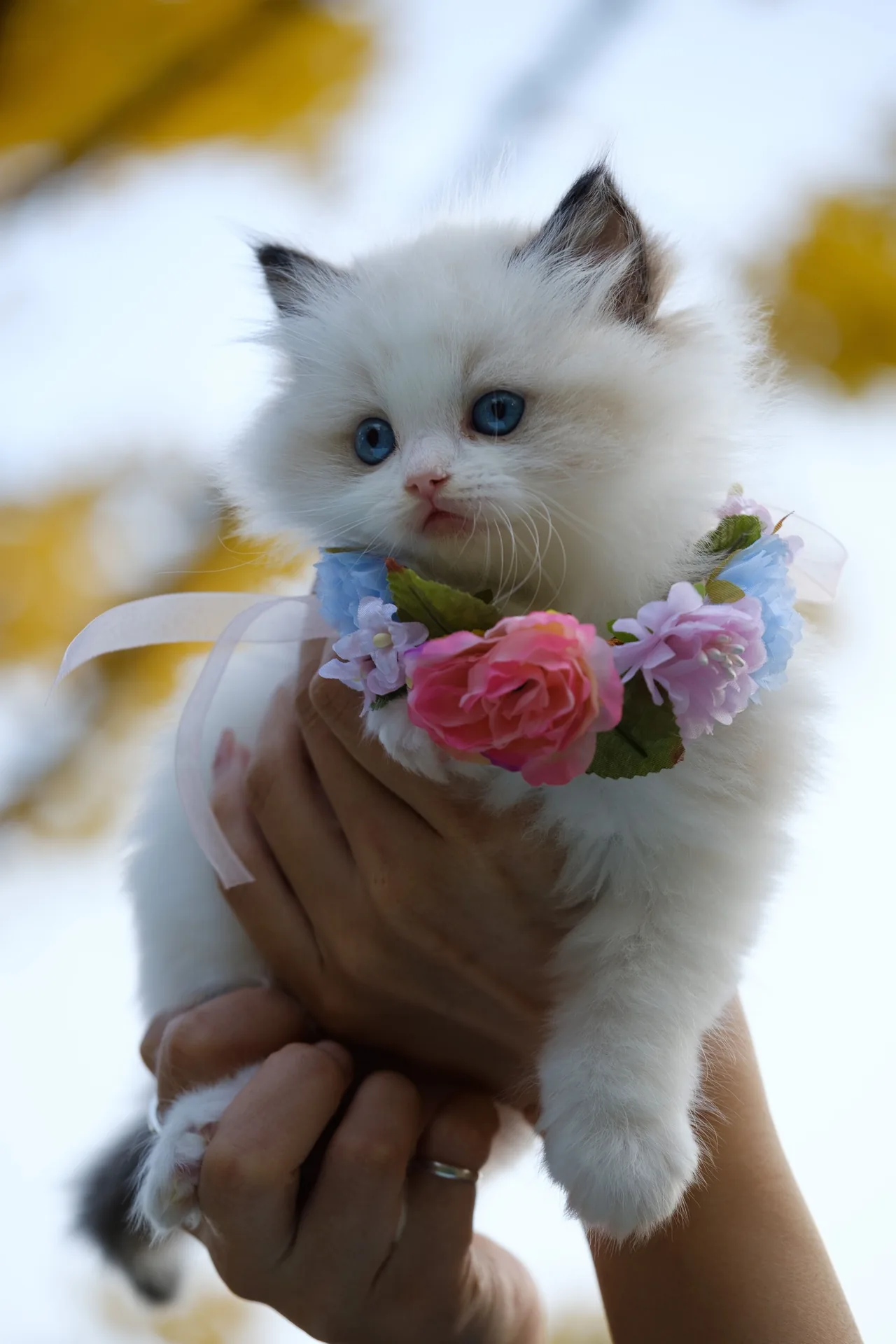
Ragdolls are slow-maturing, "reaching full coat color at two years, and full size and weight at four," so a Ragdoll that still looks like a large kitten at 18 months is on-schedule, not behind. CFA names one specific hereditary concern directly: "hypertrophic cardiomyopathy has been found in the breed, but breeders now routinely test for it."
The Ragdoll's HCM mutation is a different one from the Maine Coon's. Per UC Davis's Veterinary Genetics Laboratory, the Ragdoll-specific marker is R820W, "a single base pair change in MYBPC3" distinct from the Maine Coon's A31P. Cats with one copy (heterozygous) are "not likely to show signs of the disease and may live a normal lifespan," while cats with two copies (homozygous) are "at high risk of developing severe HCM signs, usually between 1-2 years of age." The lab does not recommend breeding homozygous cats. Sources: CFA, Ragdoll breed page; UC Davis Veterinary Genetics Laboratory, Hypertrophic Cardiomyopathy (HCM) in Ragdolls.
Feeding
There is no Ragdoll-specific feeding chart worth trusting from a general source like this one; portion needs depend on the individual cat's weight, age, and activity level, and a vet is better positioned to set that than a breed page. CFA itself notes Ragdolls are "known for their love of food" and may be "at risk for obesity," so portion control matters more here than the breed's laid-back reputation might suggest.
Questions people actually search
Is the Ragdoll HCM gene the same as the Maine Coon's?
No. They are two distinct mutations in the same gene, MYBPC3. The Maine Coon's is called A31P; the Ragdoll's is called R820W. A DNA test for one does not screen for the other, so a mixed-breed cat with ancestry from both would need both tests to rule out either mutation.
Why is my Ragdoll always begging for food?
This tracks with the breed's own reputation. CFA's own breed page notes Ragdolls are "known for their love of food" and calls out obesity as a real risk, so a food-motivated Ragdoll is normal, not a sign that something is wrong. Portion control, not free-feeding, is the practical response.
Can Ragdolls really be trained to fetch?
Per CFA's own standard, yes; the breed is described as "very trainable and can be taught to fetch and come when called," a genuinely unusual trait for a cat breed and one CFA states directly rather than as marketing color.