 Breed
Breed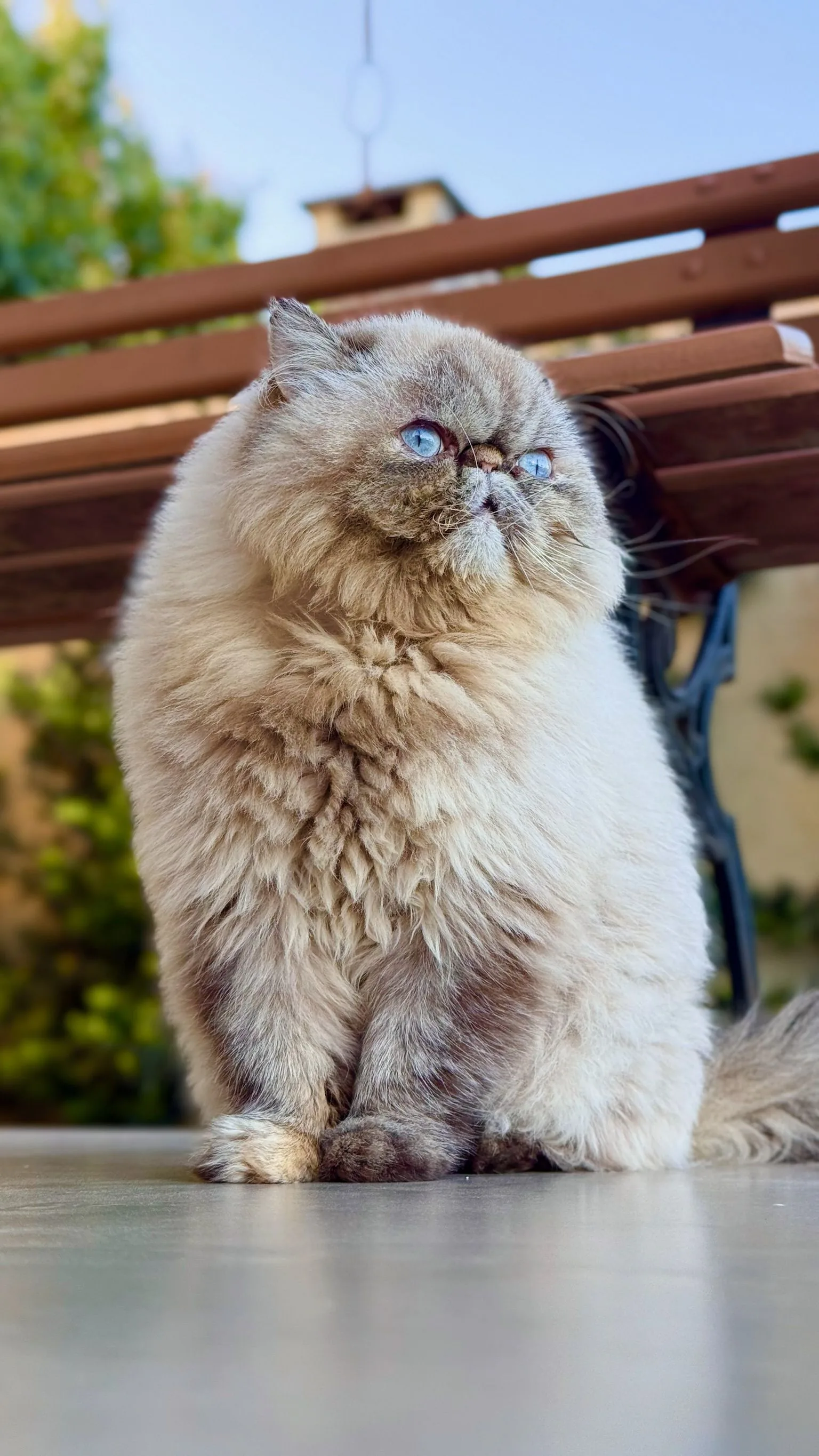
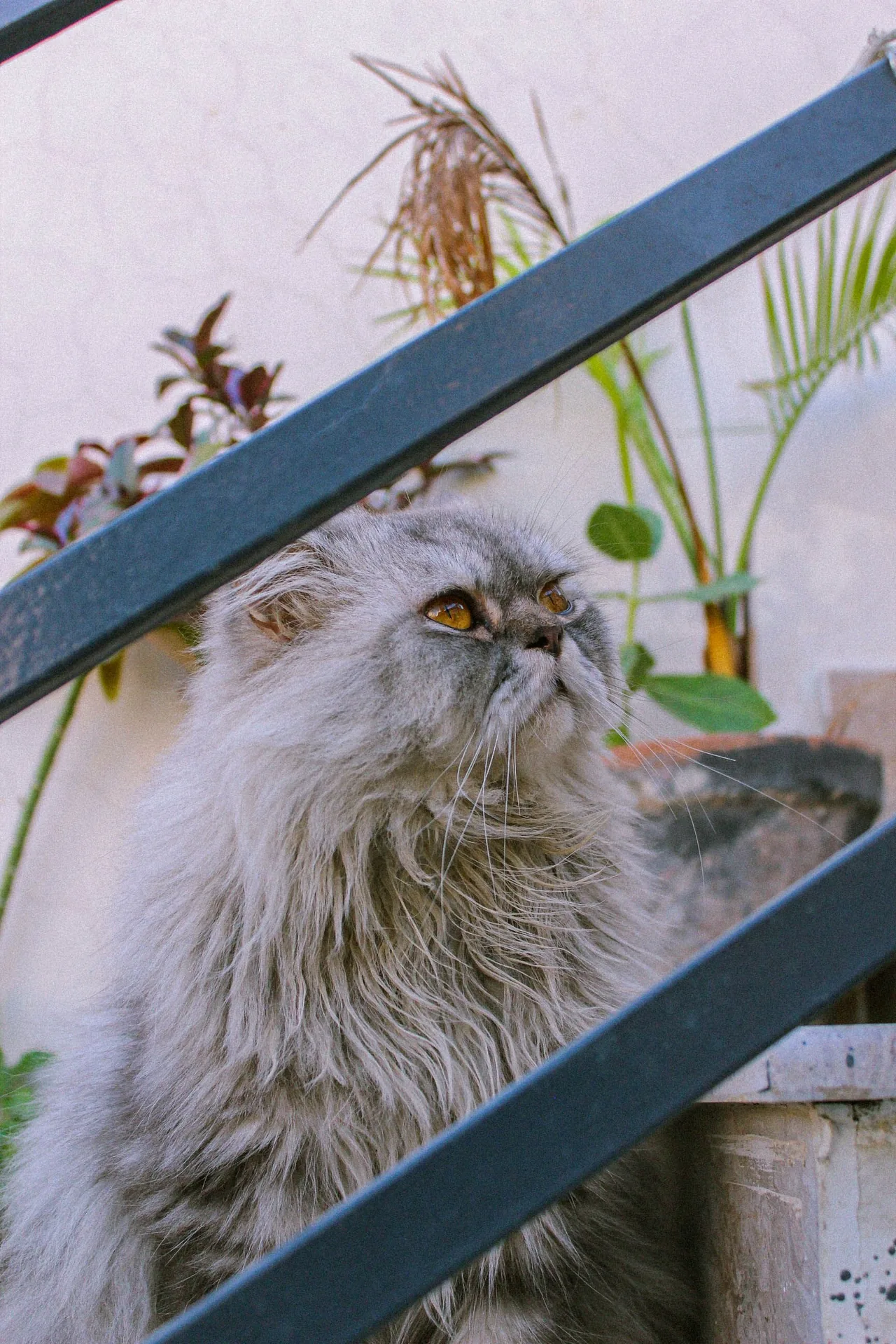
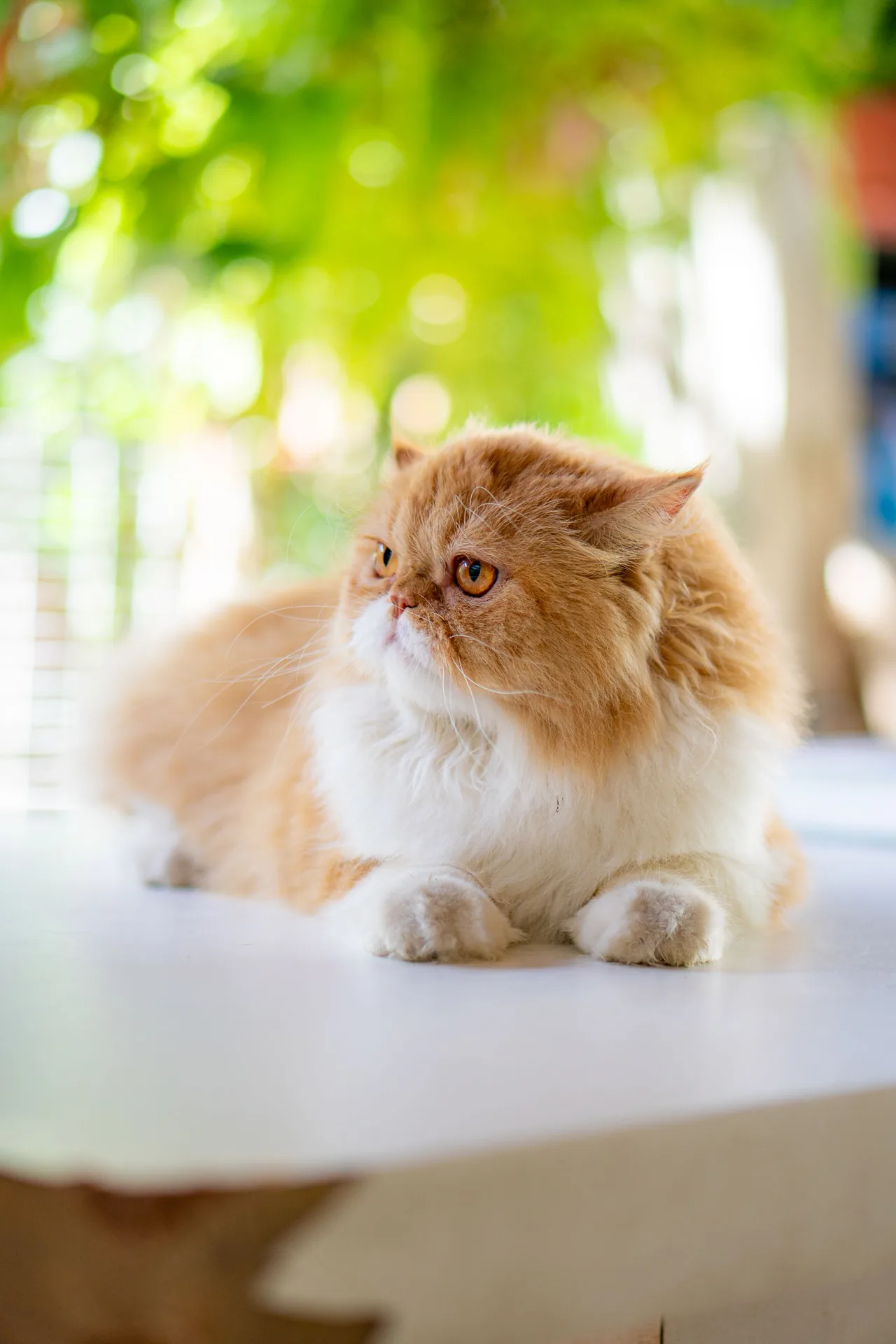
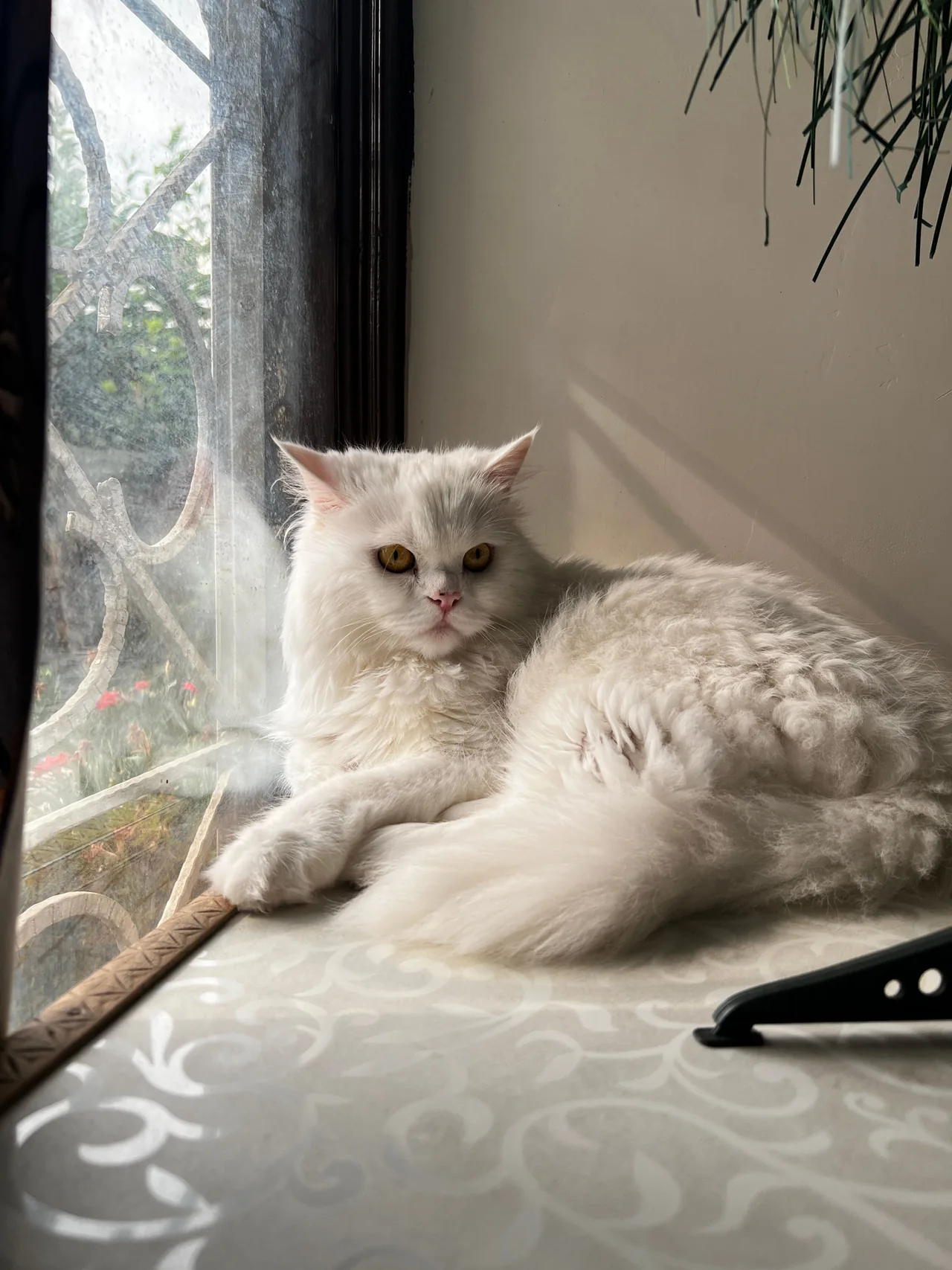
Sources checked September 6, 2026
CFA's #3 most popular breed, 2026 · one of CFA's 6 founding breeds, 1906
Persian
One of the oldest recognized breeds in the cat fancy, defined as much by its flat face as by its coat. Here is what the Cat Fanciers' Association's own breed standard and a real genetics lab say about the Persian, read directly from those sources, not reworded from a listicle.
Temperament
In CFA's own words, the Persian is "playful yet placid" and "easygoing and mellow," with "an enduring devotion to their human companions." CFA is specific about what this looks like day to day: a Persian is "not a cat that is likely to invade the kitchen counter or climb the drapes." Source: CFA, Persian breed page.
Health and care: what actually matters with this breed
The Persian's defining trait, its flat face, is also its biggest documented health consideration. CFA acknowledges breeders have addressed breathing issues in part by "removing them from breeding programs," meaning the severity of a flat face varies by breeding line, not just by the breed standard on paper.
The other major, well-documented risk is polycystic kidney disease (PKD), caused by a mutation in the PKD1 gene, and historically it was not rare. Estimates from UC Davis's own research and independent veterinary sources put the carrier rate at roughly 37 to 38% of Persians before genetic testing became widespread. The DNA test, developed at Dr. Leslie Lyons' lab at UC Davis, can identify affected cats and kittens "at any age," an advantage over ultrasound screening, which is only reliable starting around 10 months of age. Sources: CFA, Persian breed page; UC Davis Veterinary Genetics Laboratory, Polycystic Kidney Disease (PKD1) in cats.
Increased water intake is standard veterinary guidance for cats managing kidney disease risk. See a feeder built for that below →
Feeding
There is no Persian-specific feeding chart worth trusting from a general source like this one; portion needs depend on the individual cat's weight, age, and activity level, and a vet is better positioned to set that than a breed page. A flat face, though, can make eating from a deep, narrow bowl physically awkward for some Persians; that is a comfort issue worth watching for, not a nutrition issue with a chart to fix it.
Questions people actually search
Should I get my Persian tested for PKD before breeding or adopting?
Given that an estimated 37 to 38% of Persians historically carried the PKD1 mutation before widespread testing, yes, a DNA test is worth asking for. It can identify affected cats and kittens at any age, unlike ultrasound, which is not reliably diagnostic until around 10 months.
Is my Persian's flat face a health problem?
It can be, depending on severity. CFA itself acknowledges that breeders have worked to remove cats with breathing problems from breeding programs, which means the degree of flatness, and the breathing difficulty that can come with it, genuinely varies by individual cat and bloodline. A vet exam is the only reliable way to tell whether a specific cat's face shape is affecting its breathing.
How often does a Persian actually need grooming?
CFA describes the coat as "long and thick, standing off from the body," which in practice means daily brushing to prevent matting, not a weekly routine. This is a direct consequence of the coat structure CFA's own standard calls for, not an exaggerated grooming myth.
We recommend a grooming tool for this. See it below →
Recommended products for Persian
These are affiliate links: BreedVerified may earn a commission on qualifying purchases, at no extra cost to you. We only recommend products chosen for this breed's specific documented needs, never a generic pick. See our affiliate disclosure.
Neakasa P1 Pro Pet Grooming Vacuum
CFA's own standard: the Persian's coat is "long and thick, standing off from the body," which in practice means daily brushing to prevent matting, not a weekly routine.

Neakasa Riko Fresh-Made Wet Meal Feeder
An estimated 37 to 38% of Persians historically carried the PKD1 mutation behind polycystic kidney disease, per UC Davis's own research cited above. Increased water intake is standard veterinary guidance for managing that kind of kidney risk, and a rehydrated wet meal is one direct way to raise it, not a treatment for PKD itself.