 Breed
Breed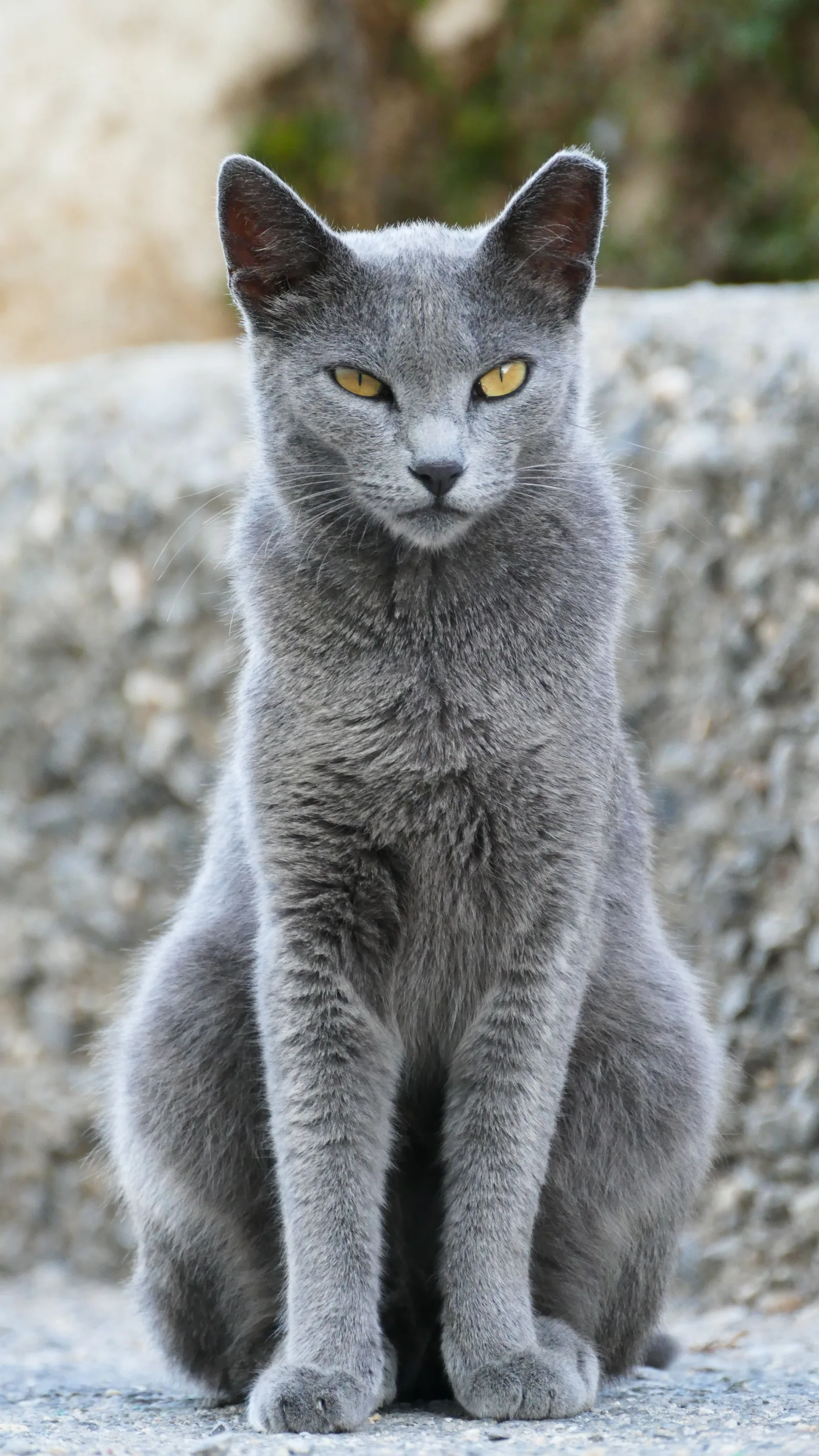
Sources checked September 6, 2026
CFA's #10 most popular breed, 2026
Russian Blue
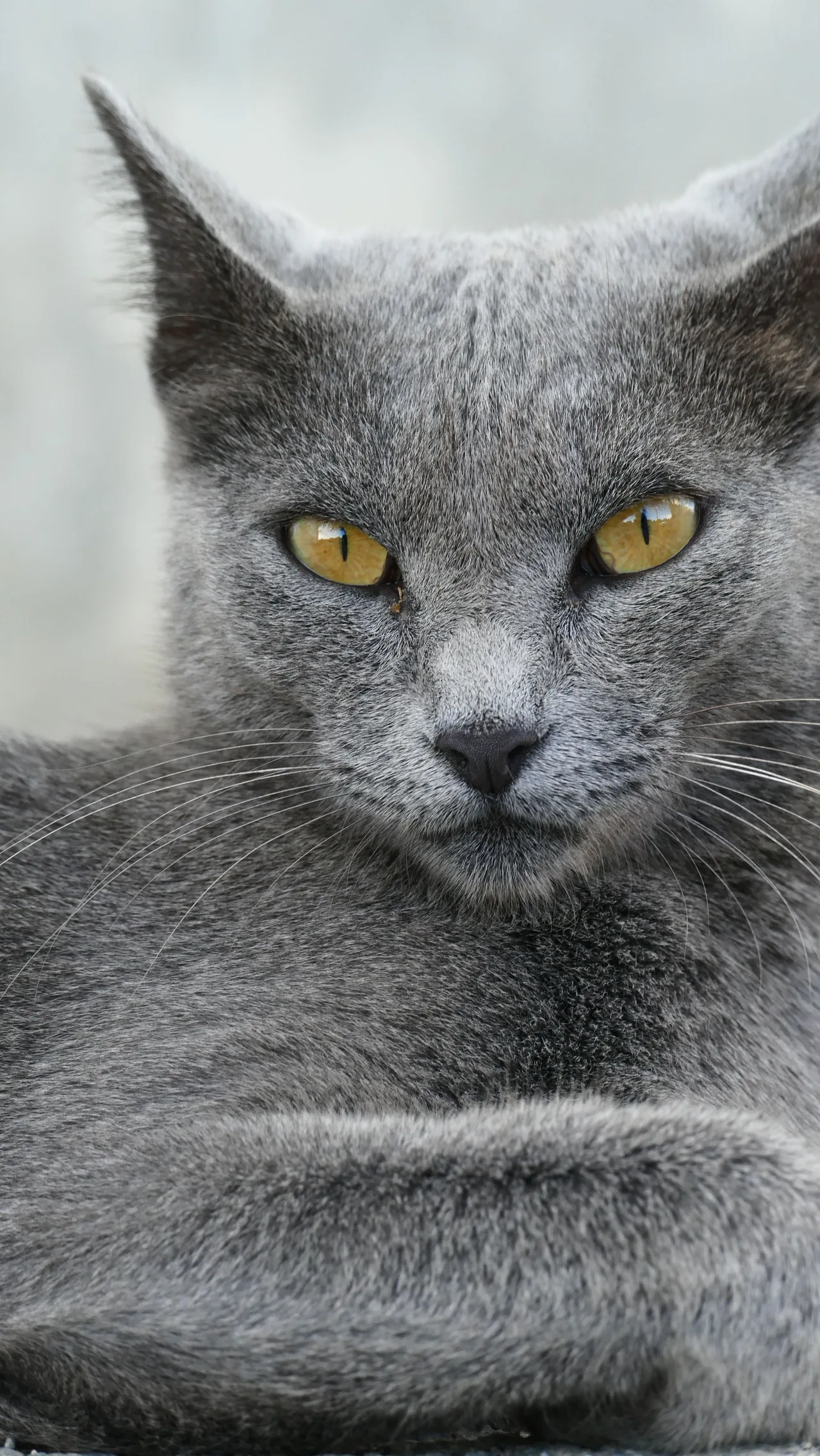
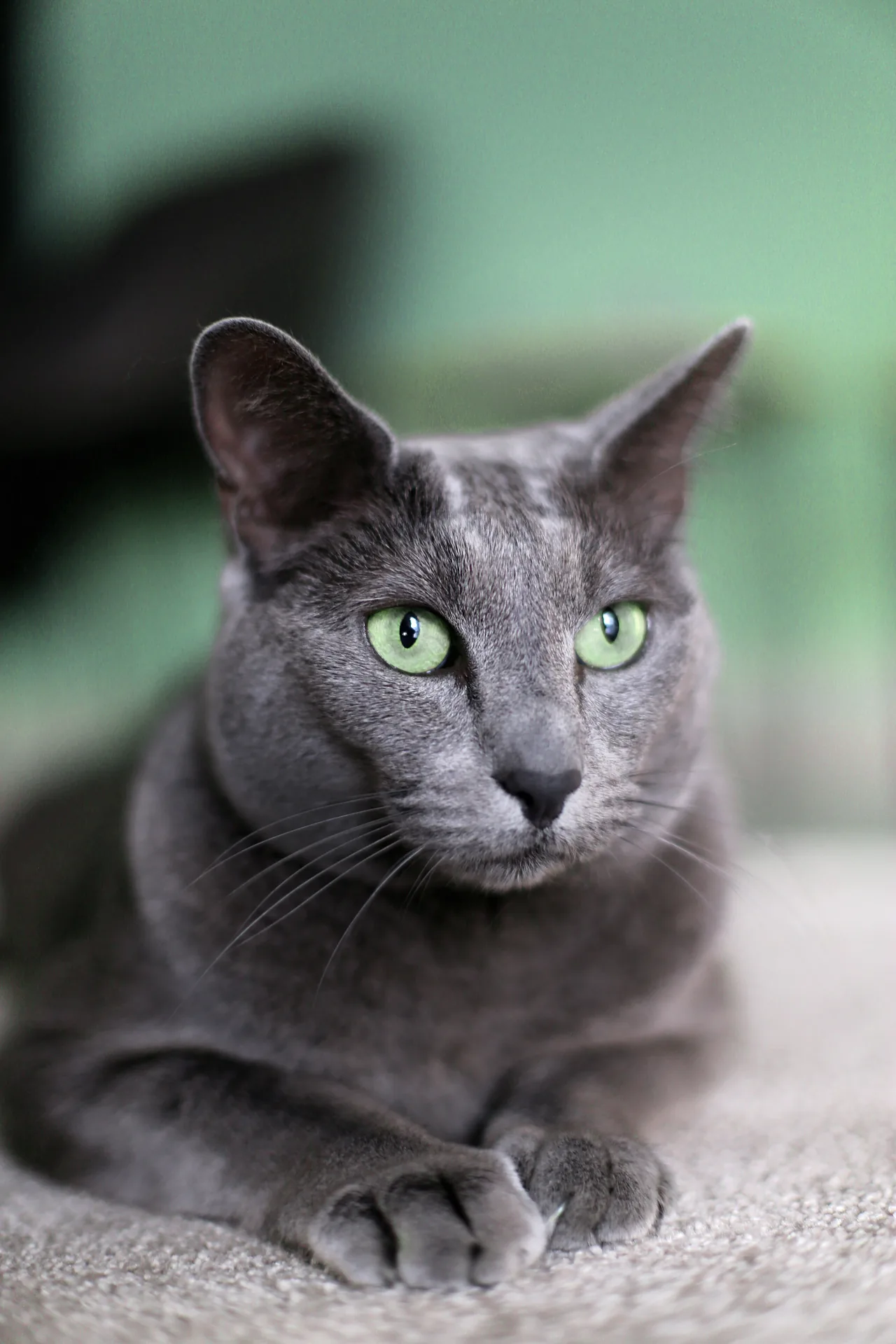
A silvery-blue double coat, vivid green eyes, and by CFA's own account, one of the more genuinely healthy pedigreed breeds. Here is what the Cat Fanciers' Association's own breed standard says about the Russian Blue, read directly from those sources, not reworded from a listicle.
Temperament
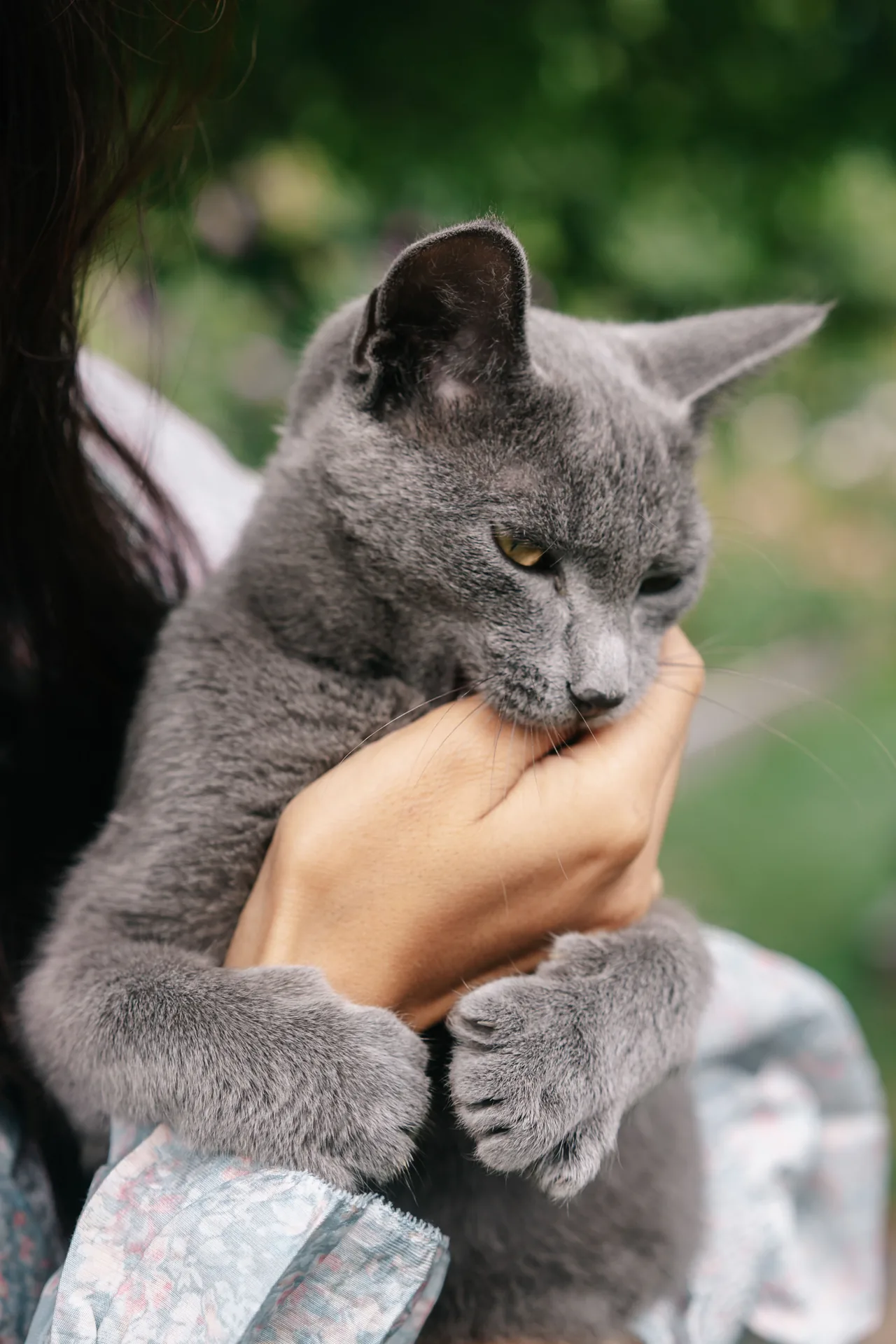
CFA describes the Russian Blue as "graceful, playful and quiet," noting a sensitivity "to owners' moods" and a tendency to "hide initially" around new people before "investigating newcomers through natural curiosity." CFA specifically calls them "good pets for older children." Source: CFA, Russian Blue breed page.
Health and care: what actually matters with this breed
CFA's own standard describes the breed plainly as "healthy" with "no specific genetic problems." The one caveat CFA raises isn't a disease. It's a structural concern, the breed's "relatively small gene pool," which matters for long-term breed diversity rather than any individual cat's health today.
CFA does name one practical, non-genetic risk: appetite. Russians "have large appetites and risk obesity without adequate exercise and careful food monitoring." For a breed capped at a relatively modest weight standard (males rarely over 10 pounds), that food-driven appetite matters more for weight management than it might in a naturally larger breed. Source: CFA, Russian Blue breed page.
Feeding
There is no Russian Blue-specific feeding chart worth trusting from a general source like this one; portion needs depend on the individual cat's weight, age, and activity level, and a vet is better positioned to set that than a breed page. CFA's own note about a large appetite and obesity risk means portion control matters more here than the breed's elegant, lean build might suggest at a glance.
Questions people actually search
Is the Russian Blue a healthy breed overall?
Per CFA's own standard, yes: the breed is described as "healthy" with "no specific genetic problems," a stronger and more specific claim than most breed pages make. The main practical watch-item is appetite-driven weight gain, not an inherited disease.
Why does my Russian Blue hide from guests?
Documented, normal behavior for the breed. CFA notes Russian Blues tend to "hide initially" around new people before their natural curiosity takes over and they investigate on their own terms, rather than warming up to strangers immediately.