 Breed
Breed

Sources checked September 3, 2026
Hound Group · AKC's #5 most popular breed, 2025
Dachshund
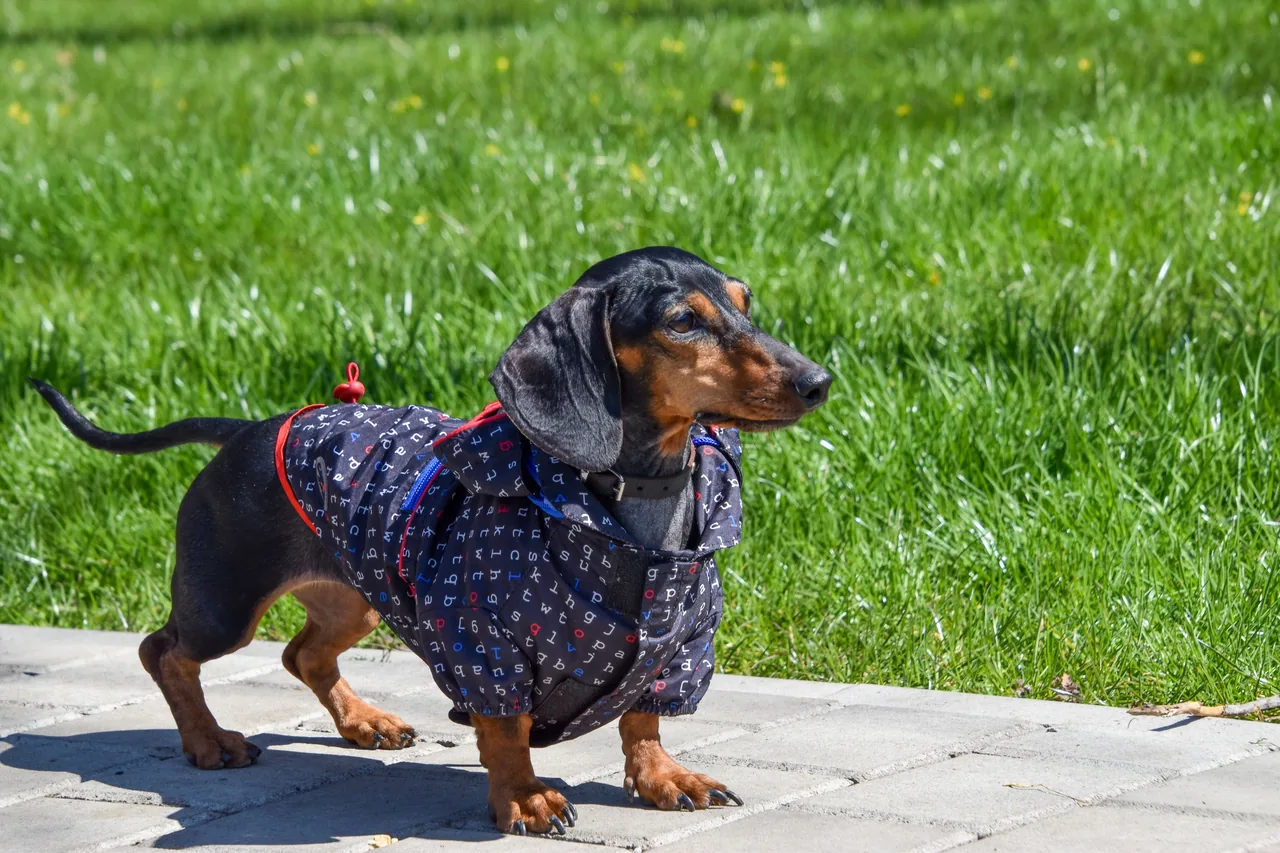
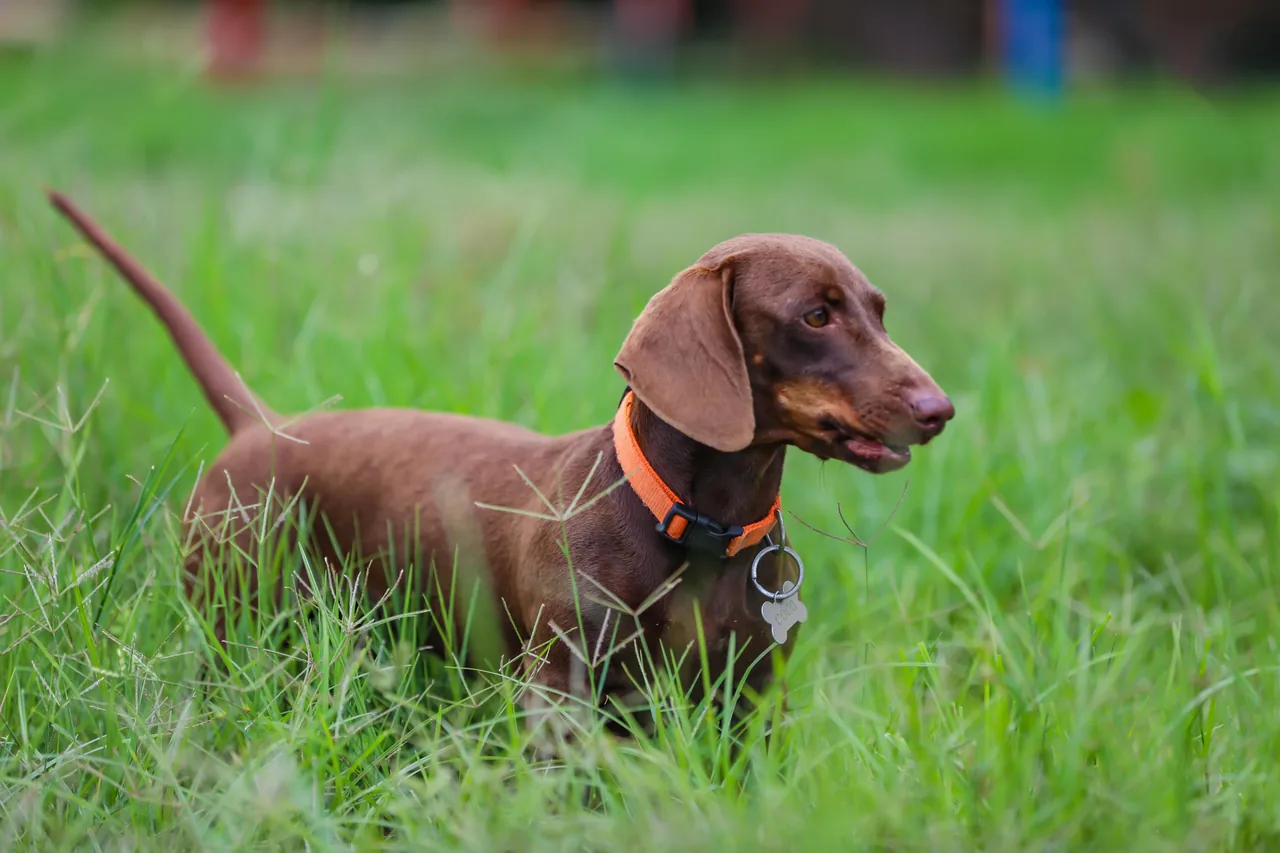
Curious, spunky, and built with a long back and short legs that make one specific spinal injury far more common in this breed than in almost any other. Here is what the AKC's own breed page and real peer-reviewed veterinary research say about the Dachshund, read directly from those sources, not reworded from a listicle.
Temperament
The AKC sums the breed up in three words: "curious / friendly / spunky." In its own fuller description, "the famously long, low silhouette, ever-alert expression, and bold, vivacious personality of the Dachshund have made him a superstar of the canine kingdom." The AKC is also direct about the breed's edge: "bred to be an independent hunter of dangerous prey, they can be brave to the point of rashness, and a bit stubborn." Source: AKC, Dachshund breed page.
Health and care: what actually matters with this breed
Every hound breed has a routine list of things to screen for, but with the Dachshund, one issue dwarfs the rest in how well it is documented and how directly it is tied to the breed's shape: intervertebral disc disease, commonly shortened to IVDD.
Back and spine (IVDD). The AKC's own care guidance is blunt about it: "to prevent disc damage to the Dachshund's long back, be vigilant about keeping him from becoming overweight, and always monitor his activities to avoid back injury." That is not a generic caution. A 2016 peer-reviewed survey of 2,031 Dachshunds published in Canine Genetics and Epidemiology, known as the DachsLife 2015 study, found an overall IVDD prevalence of 15.7% across the breed, ranging from 7.1% in Standard Wire-Haired Dachshunds up to 24.4% in Standard Smooth-Haired Dachshunds, and put the Dachshund's relative risk of IVDD at 10 to 12 times higher than other breeds. A separate 2025 study in the Journal of the American Veterinary Medical Association, analyzing 43,517 companion dogs enrolled in the Dog Aging Project in the United States, found Dachshunds had the single highest lifetime prevalence of owner-reported IVDD of any breed in the dataset, at 15.3% (83 of 541 Dachshunds). Both studies independently landed on roughly the same number, in two different countries, a decade apart. Sources: AKC, Dachshund breed page (above); Packer et al., "DachsLife 2015," Canine Genetics and Epidemiology, 2016; Wee and Nin, Journal of the American Veterinary Medical Association, 2025.
Joints, eyes and ears. The Dachshund Club of America's recommended health tests, listed on the AKC breed page, are a patella evaluation, a cardiac exam and an ophthalmologist evaluation. Per the AKC, Dachshunds also have drop ears and, like most dogs with that ear shape, can develop ear infections if the ears are not kept clean.
Feeding
There is no Dachshund-specific feeding chart worth publishing here. What is verifiable, directly from the AKC's own nutrition guidance for this breed, is a narrower and more useful point: "it is extremely important that a Dachshund not be allowed to become overweight," not only for general health reasons but, in the AKC's own words, "to avoid strain to the Dachshund's long back, which can lead to slipped or ruptured (herniated) discs." Combined with the IVDD prevalence data above, keeping a Dachshund lean is one of the few feeding-adjacent decisions an owner makes that ties directly to this breed's best-documented health risk, rather than to general dog-nutrition advice that would apply to any breed. A vet is the right source for an actual calorie target for an individual dog's weight and activity level.
Questions people actually search
Is it true that jumping off furniture can hurt a Dachshund's back?
This is exactly what the AKC itself warns owners about: "to avoid injury, never allow your Dachshund to run up and down stairs or jump on or off furniture." That advice comes from the same AKC page that names the long back as the breed's central vulnerability. The DachsLife 2015 survey did find that dogs whose owners reported not letting them jump on and off furniture had higher rates of IVDD diagnosis in that dataset, which the study's authors treat as hypothesis-generating rather than proof, since it plausibly reflects owners restricting a dog after signs of back trouble already appeared. The AKC's practical advice, avoiding unsupervised jumping and stairs, stands on its own regardless of that one survey wrinkle.
How common is IVDD (back disease) in Dachshunds, really?
Common enough that it is the most studied health problem in the breed. A 2016 survey of 2,031 Dachshunds found an overall prevalence of 15.7%, and a 2025 study of 43,517 US companion dogs found Dachshunds had the highest lifetime IVDD prevalence of any breed studied, at 15.3%. Depending on the variety, the 2016 study found prevalence ranging from about 7% up to about 24%. That is a real minority of Dachshunds, not a certainty, but it is a large enough share that the AKC builds spinal-injury prevention directly into its own care guidance for the breed.
Why are Dachshunds so hard to train?
Per the AKC, it is a mix of intelligence and independence rather than a lack of smarts: "Dachshunds are very intelligent but are also independent and often stubborn, so they can be a challenge to train." The AKC also notes they are "sensitive and will not react well to harsh commands or punishment," and that because they were bred to track a scent without getting distracted, a Dachshund that is busy following an interesting smell may simply tune a handler out mid-session, not out of defiance but because the breed's original job rewarded exactly that kind of tunnel vision.
Why do Dachshunds get so many ear infections?
Their drop ears sit close to the head and trap warm, moist air the way any floppy-eared breed's do, which is a better environment for bacteria and yeast to grow than an upright ear gets. The Dachshund Club of America's own recommended health tests, listed on the AKC's breed page, do not single out ear disease specifically, but the AKC notes the breed's ear shape directly, and regular cleaning and drying is the standard preventive step for any drop-eared dog, not a Dachshund-specific quirk.