 Breed
Breed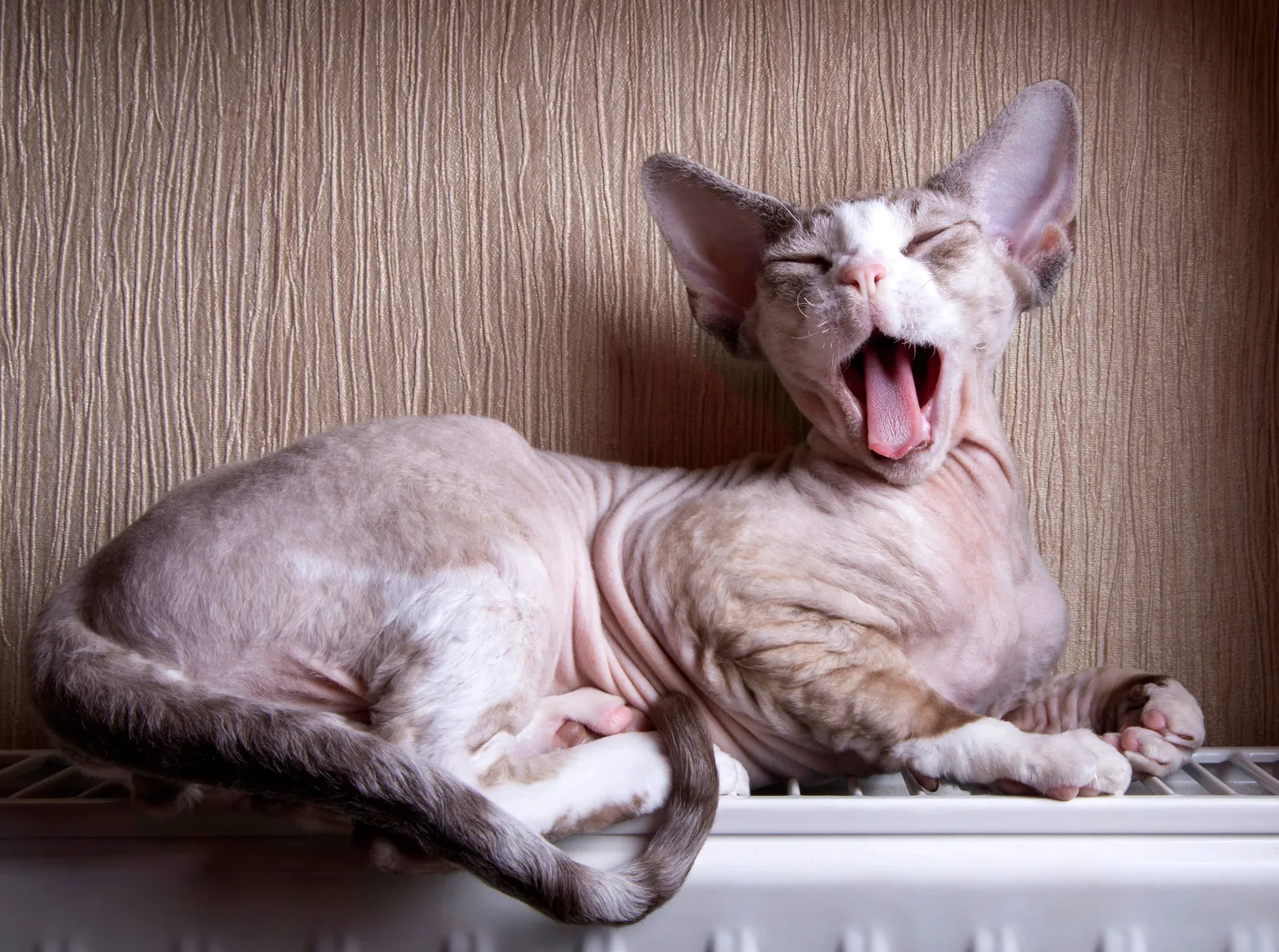
Sources checked September 6, 2026
CFA's #5 most popular breed, 2026
Devon Rex
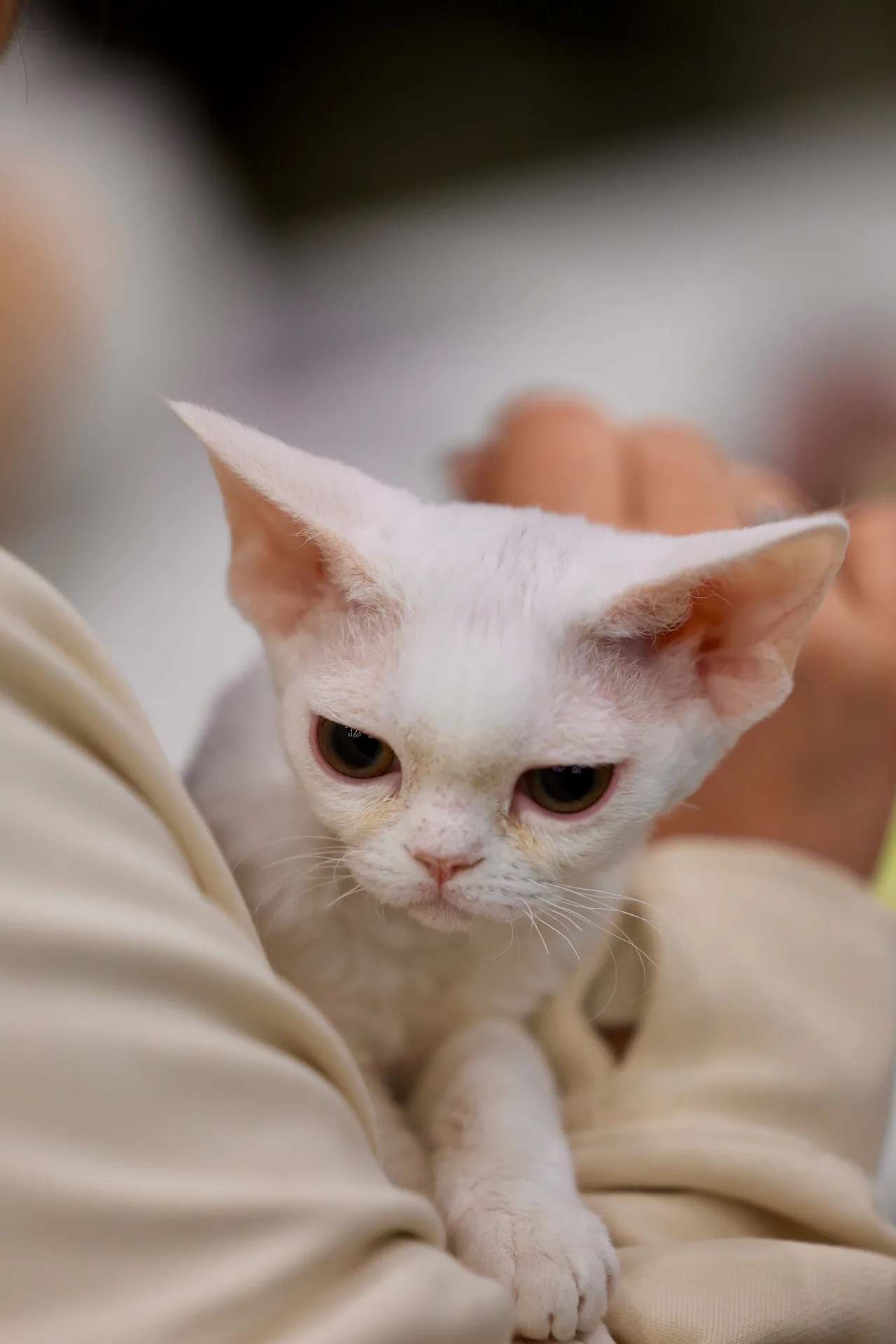
Large ears, a curly coat, and a personality CFA itself compares to a court jester. Here is what the Cat Fanciers' Association's own breed standard says about the Devon Rex, read directly from those sources, not reworded from a listicle.
Temperament
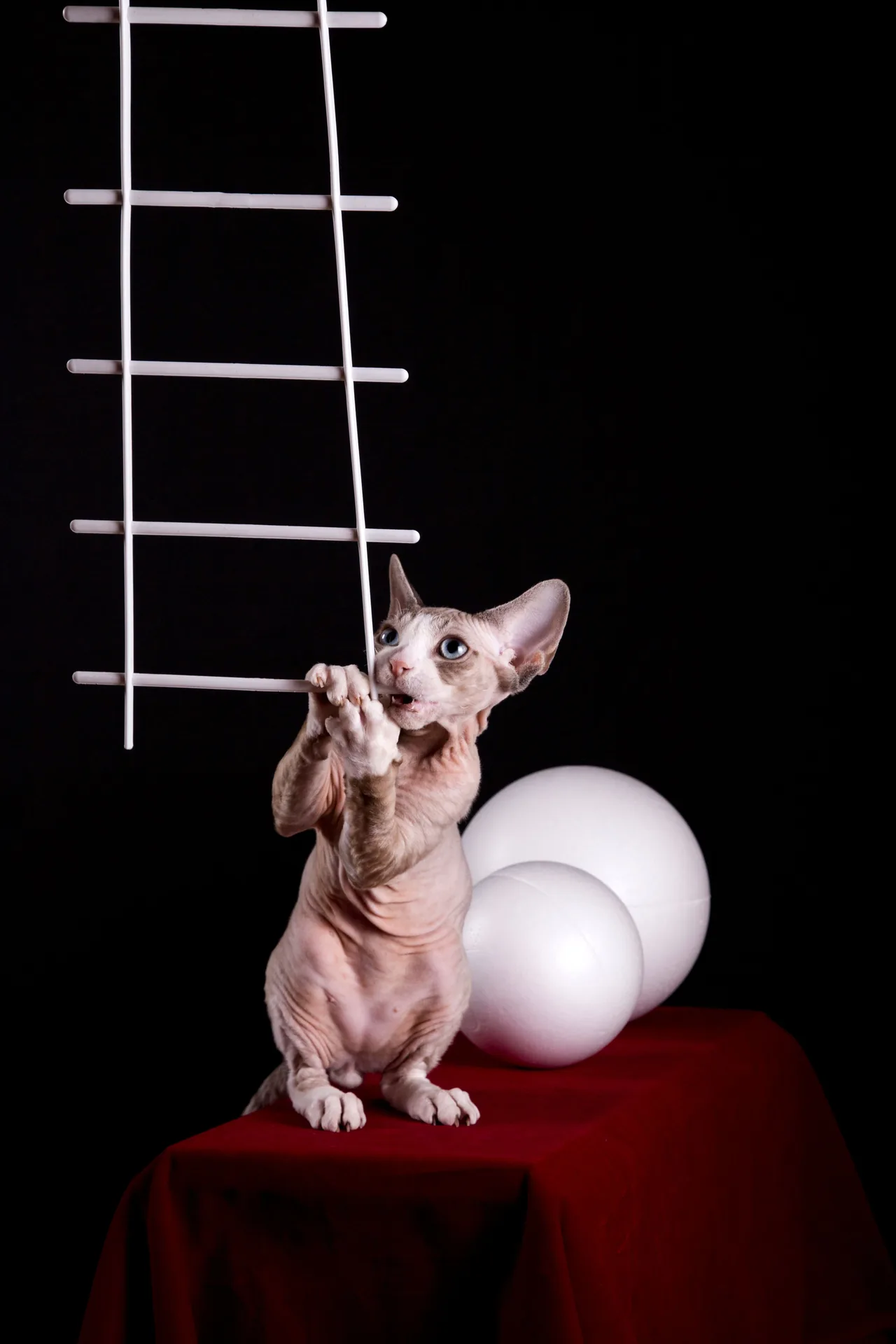
CFA describes the Devon Rex as "pixie like," noting they are "intensely loyal and loving" and "become deeply attached to their owners" to the point that they "dislike being left alone." CFA calls them "part court jester, part soulmate," and specifically notes they are "talkative but not noisy; their conversation consists of soft chirps, trills, and peeps." Source: CFA, Devon Rex breed page.
Health and care: what actually matters with this breed
The Devon Rex's origin is well documented and recent enough to be specific: in 1959, "a single curly-haired male kitten turned up in a litter born in a garden in Devon, England." Named Kirlee, he was initially thought to be a Cornish Rex, "but test breedings proved this theory to be completely incorrect," establishing Devon Rex as its own distinct breed and gene.
The specific health risk CFA names directly is blood type. The breed has "a high incidence of blood type B in the gene pool," which matters most at breeding time: "parental blood type incompatibilities can result in the death of the kittens," a condition called neonatal isoerythrolysis. A responsible breeder blood-types both parents before breeding, not after a litter is lost. Source: CFA, Devon Rex breed page.
Feeding
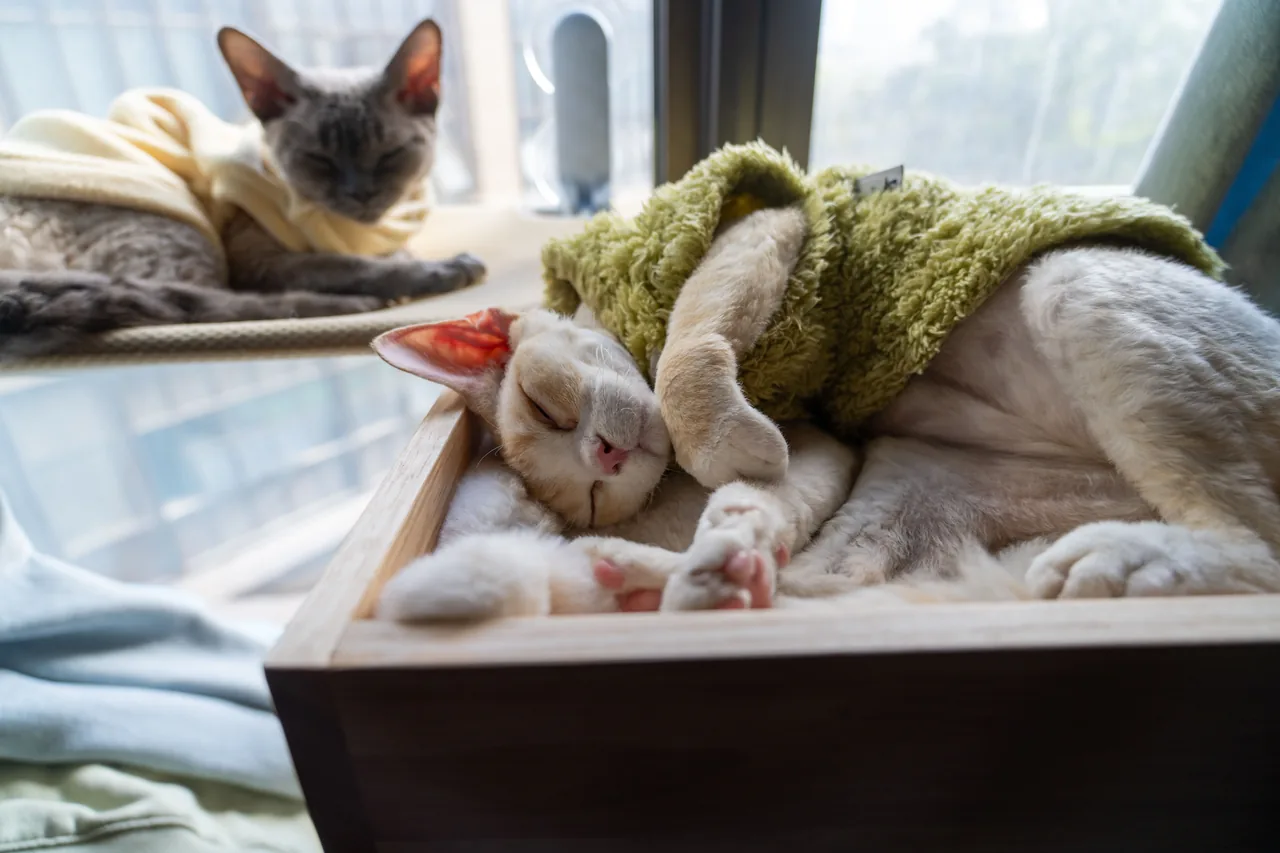
There is no Devon Rex-specific feeding chart worth trusting from a general source like this one; portion needs depend on the individual cat's weight, age, and activity level, and a vet is better positioned to set that than a breed page. Worth knowing regardless of diet: the coat's "sparse, short, and rexed" guard hairs mean less natural insulation than a typical cat, so Devon Rex cats often seek out warm spots more aggressively and can be more sensitive to cold than their size alone would suggest.
Questions people actually search
What is blood type incompatibility in kittens, and why does it matter for this breed?
Devon Rex cats have an unusually high rate of blood type B in the breed. If a type B queen is bred to a type A tom, the kittens can inherit type A blood but receive antibodies through the queen's colostrum that attack it, a fatal condition called neonatal isoerythrolysis. Blood-typing both parents before breeding is the way this is actually prevented.
Are Devon Rex cats hypoallergenic?
No cat breed is truly hypoallergenic; all cats produce the Fel d 1 protein that triggers most cat allergies, regardless of coat type. A Devon Rex's sparse coat may shed less visible hair around a home, which some allergy sufferers notice, but this is not the same as being allergen-free.
Why does my Devon Rex follow me everywhere and hate being alone?
This is a documented trait, not neediness to manage away. CFA's own standard describes the breed as becoming "deeply attached to their owners" and disliking being left alone, closer to a dog's attachment style than the more independent reputation cats generally have.