 Breed
Breed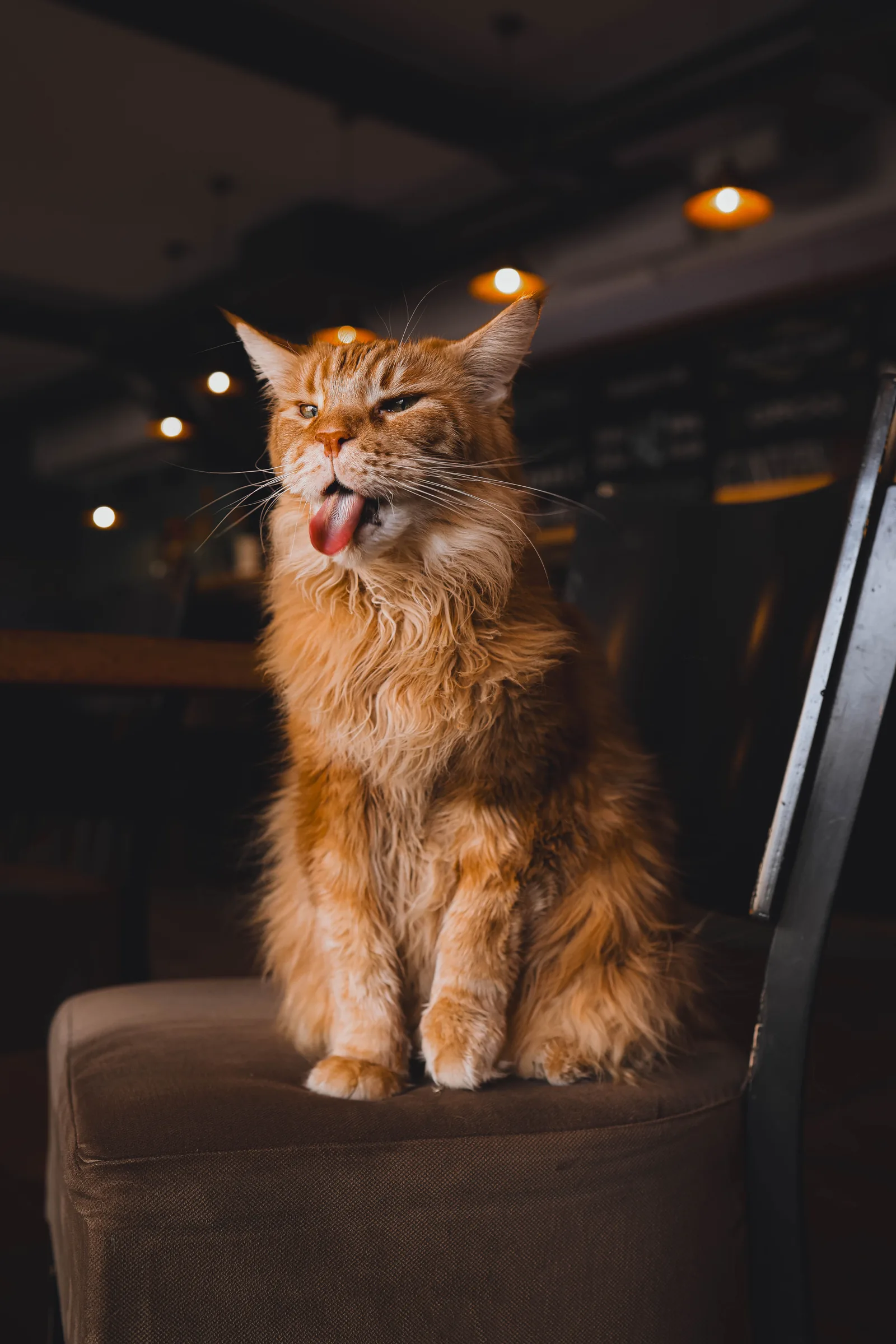
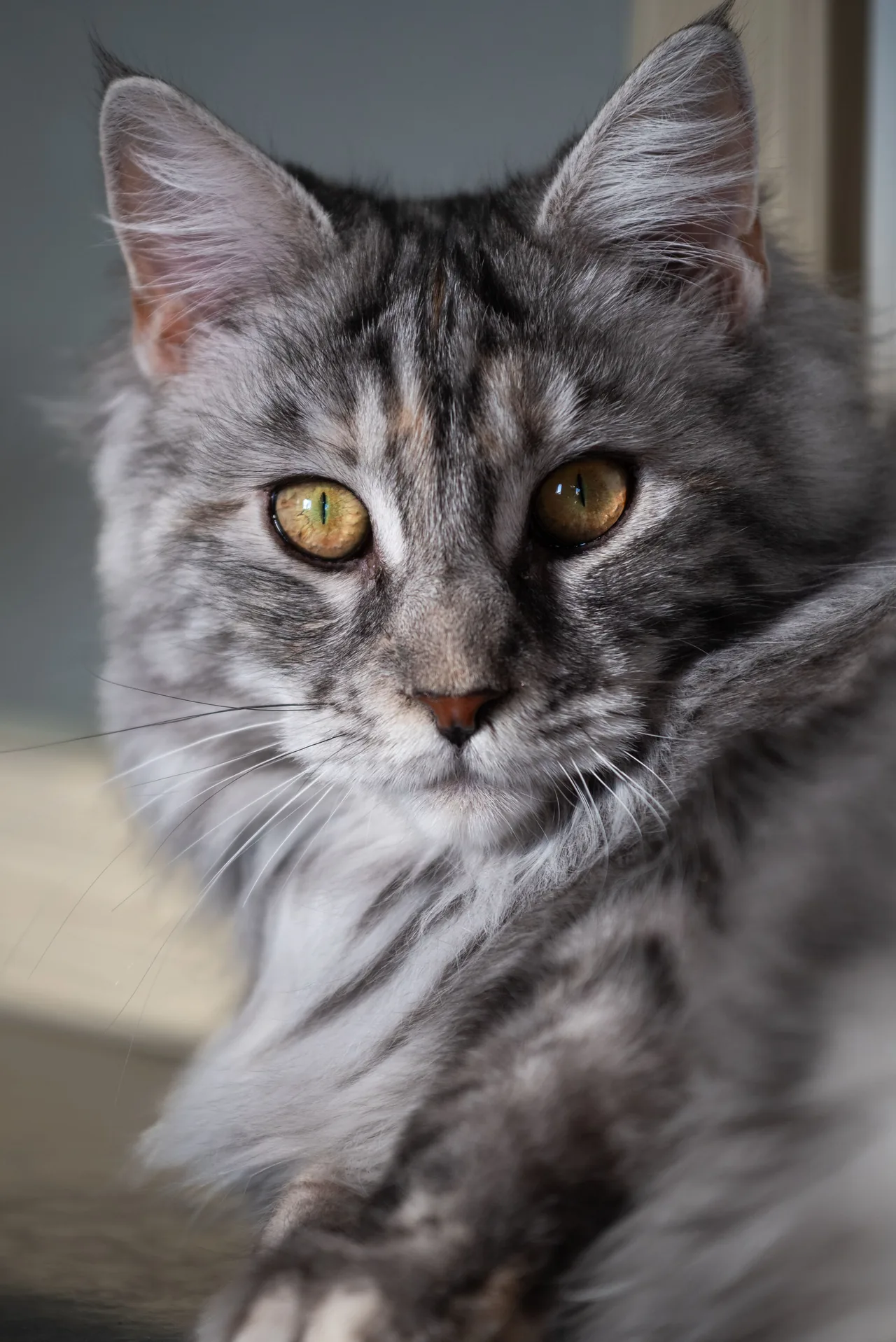
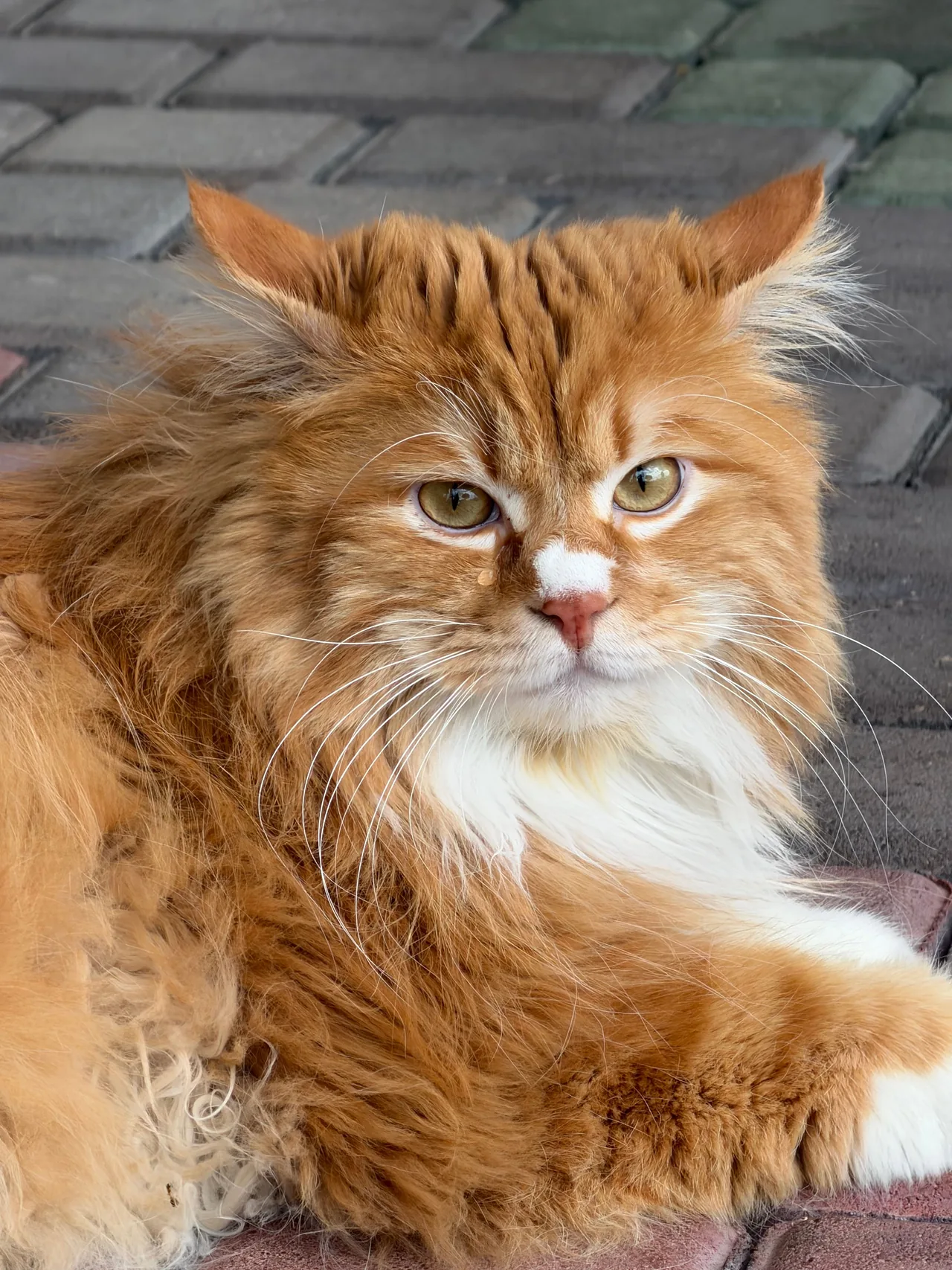
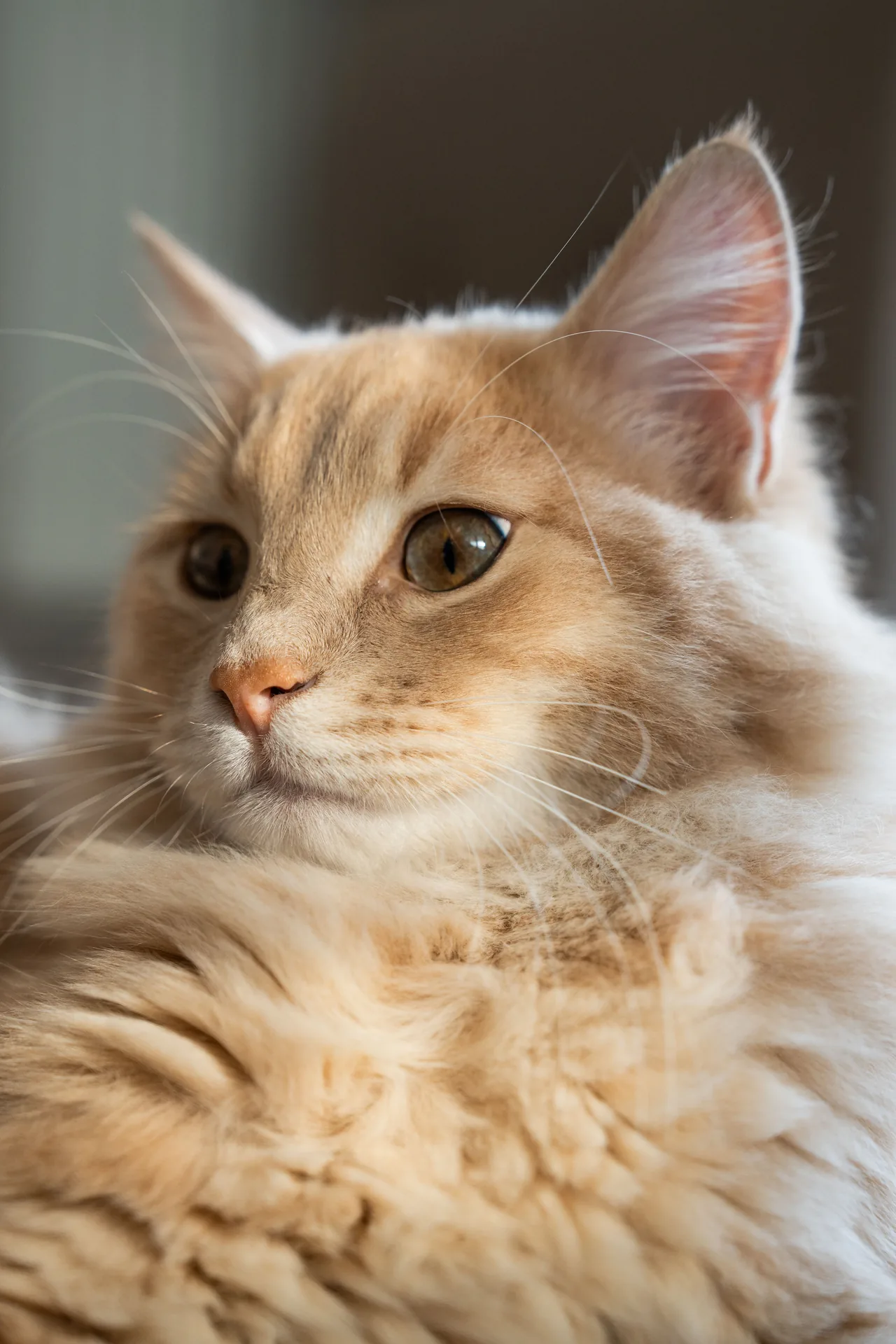
Sources checked September 6, 2026
CFA's #1 most popular breed, 2026, second year running
Maine Coon
The largest of all pedigreed cats, and famously patient about it. Here is what the Cat Fanciers' Association's own breed standard and a real genetics lab say about the Maine Coon, read directly from those sources, not reworded from a listicle.
Temperament
In CFA's own words, the Maine Coon is "friendly, sweet-tempered and easy to train," with "an essentially amiable disposition." They are "sociable, loyal, and like many breeds that were formerly working cats, quite intelligent," enjoying "interacting with every family member" rather than bonding to just one person. CFA specifically notes they "tend to go from one lap to another, rather than choosing a favorite." Source: CFA, Maine Coon breed page.
Health and care: what actually matters with this breed
This is a slow-maturing breed, taking "up to three years to reach full growth," which matters for anyone expecting an adult-sized cat sooner. The health issue that actually matters is hypertrophic cardiomyopathy (HCM), a thickening of the heart muscle. CFA notes breeders test for it "via saliva tests and echocardiograms," alongside x-ray screening for hip dysplasia.
The specific genetic marker is the MYBPC3 A31P mutation, and it is worth understanding its real limits before treating a negative test as a clean bill of health. Per UC Davis's Veterinary Genetics Laboratory, cats homozygous for the mutation (two copies) face "moderate to severe cardiac disease which can lead to sudden death by age 4 years or less," while heterozygous cats (one copy) have a longer life expectancy but may still develop HCM. Critically, the lab's own research found HCM incidence was "5.4% in cats that were negative for the A31P mutation, and 5.4% with the mutation" in the studies reviewed, meaning this single mutation is not the sole cause of HCM in the breed. A DNA test result is one data point, not a substitute for regular cardiac screening. Sources: CFA, Maine Coon breed page; UC Davis Veterinary Genetics Laboratory, Hypertrophic Cardiomyopathy (HCM) in Maine Coons.
Feeding
There is no Maine Coon-specific feeding chart worth trusting from a general source like this one; portion needs depend on the individual cat's weight, age, and activity level, and a vet is better positioned to set that than a breed page. Because Maine Coons keep growing for up to three years, though, a kitten-formula diet held too briefly in favor of adult food can undersupport that unusually long growth window. Ask a vet when to transition, rather than following a generic kitten-to-adult timeline built around faster-maturing breeds.
Questions people actually search
If my Maine Coon tests negative for the HCM gene, is its heart safe?
Not entirely. UC Davis's own data found HCM at the same rate, 5.4%, in cats that tested negative for the MYBPC3 A31P mutation as in cats that tested positive, meaning other genetic and environmental factors also cause HCM in this breed. A negative test lowers one specific risk; it does not rule out the disease. Regular veterinary cardiac screening still matters regardless of genetic test results.
How big do Maine Coons actually get?
Males typically reach or exceed 20 pounds, per CFA's own standard, with females generally smaller. Size alone is not a health concern; it is a normal feature of the breed, not a sign of overfeeding, as long as the cat is proportionate and not overweight for its own frame.
Why is my Maine Coon kitten still growing at 18 months?
Normal for the breed. CFA's own standard describes Maine Coons as slow-maturing, "taking up to three years to reach full growth." Most other breeds finish growing well before their first birthday, so a Maine Coon still filling out at 18 months to 2 years is on-schedule, not delayed.