 Breed
Breed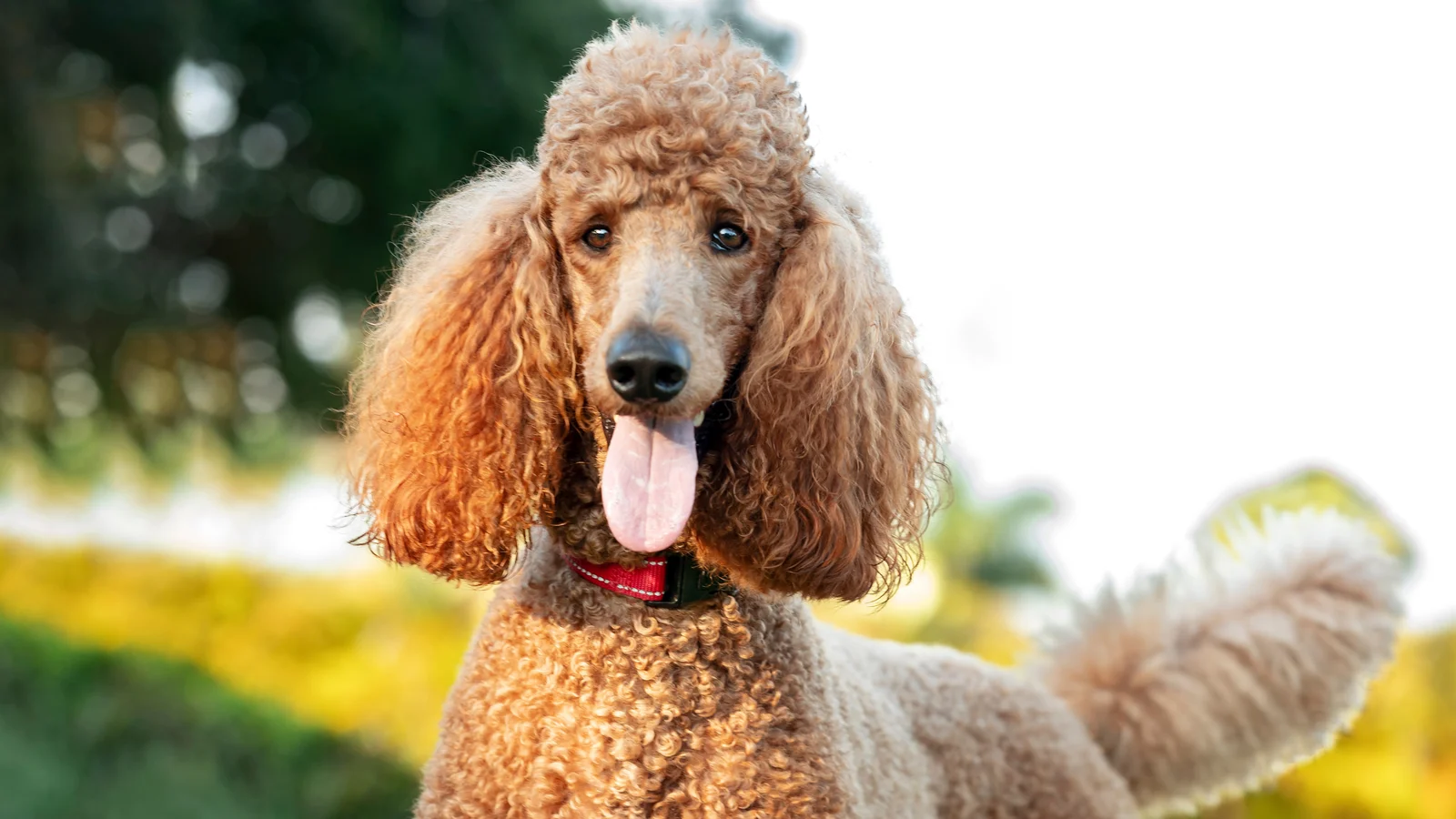

Sources checked September 3, 2026
Non-Sporting Group (Toy Poodle: Toy Group) · AKC's #6 most popular breed, 2025
Poodle
One breed, three sizes, and a lot more athlete under the haircut than the show clip suggests. Here is what the AKC's own breed pages say about the Poodle, read directly from those sources, not reworded from a listicle.
Mini: 10 to 15 in
Standard: over 15 inHeight
Mini: 10 to 15 lb
Standard: 40 to 70 lbWeight
Temperament
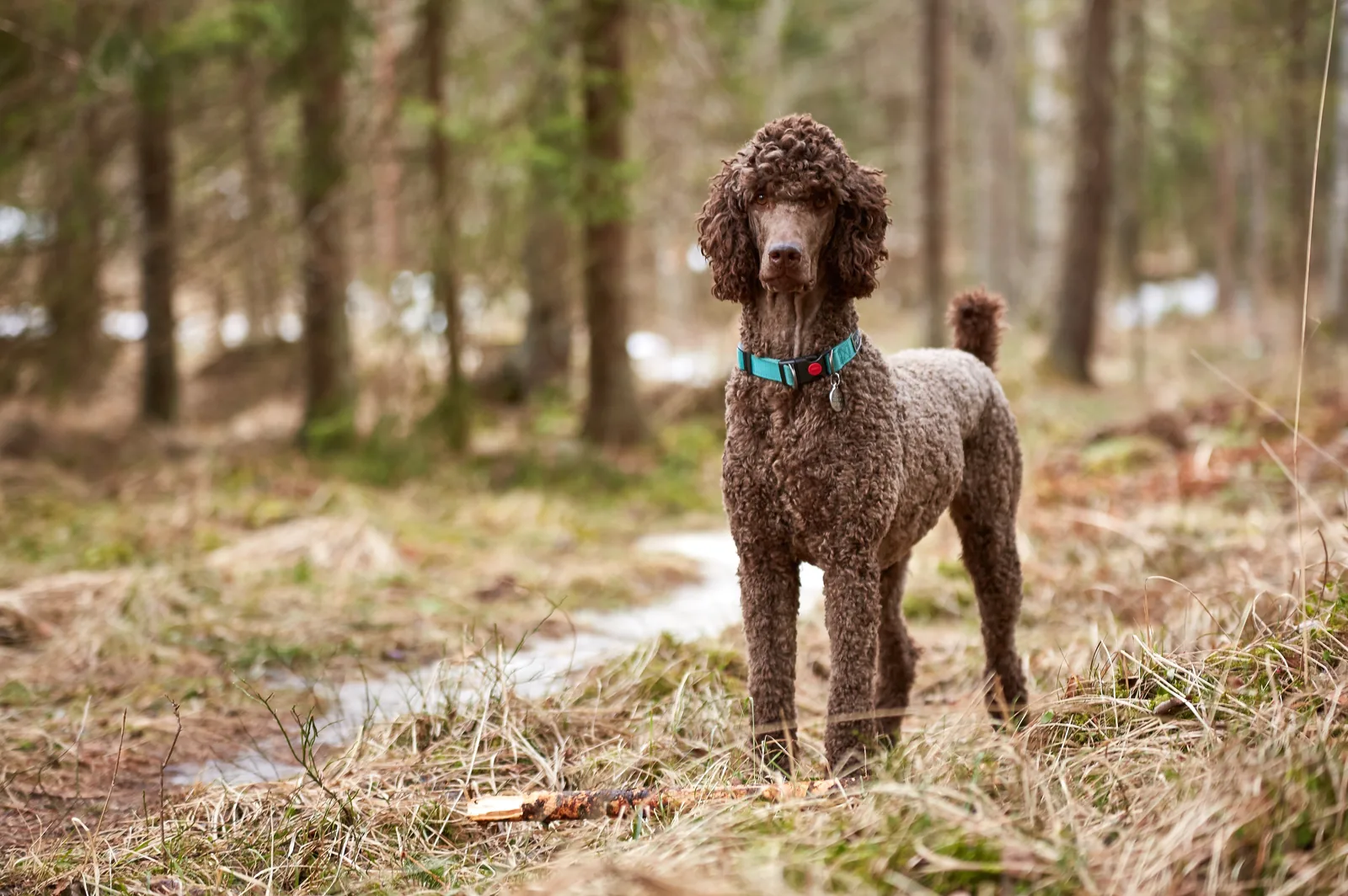
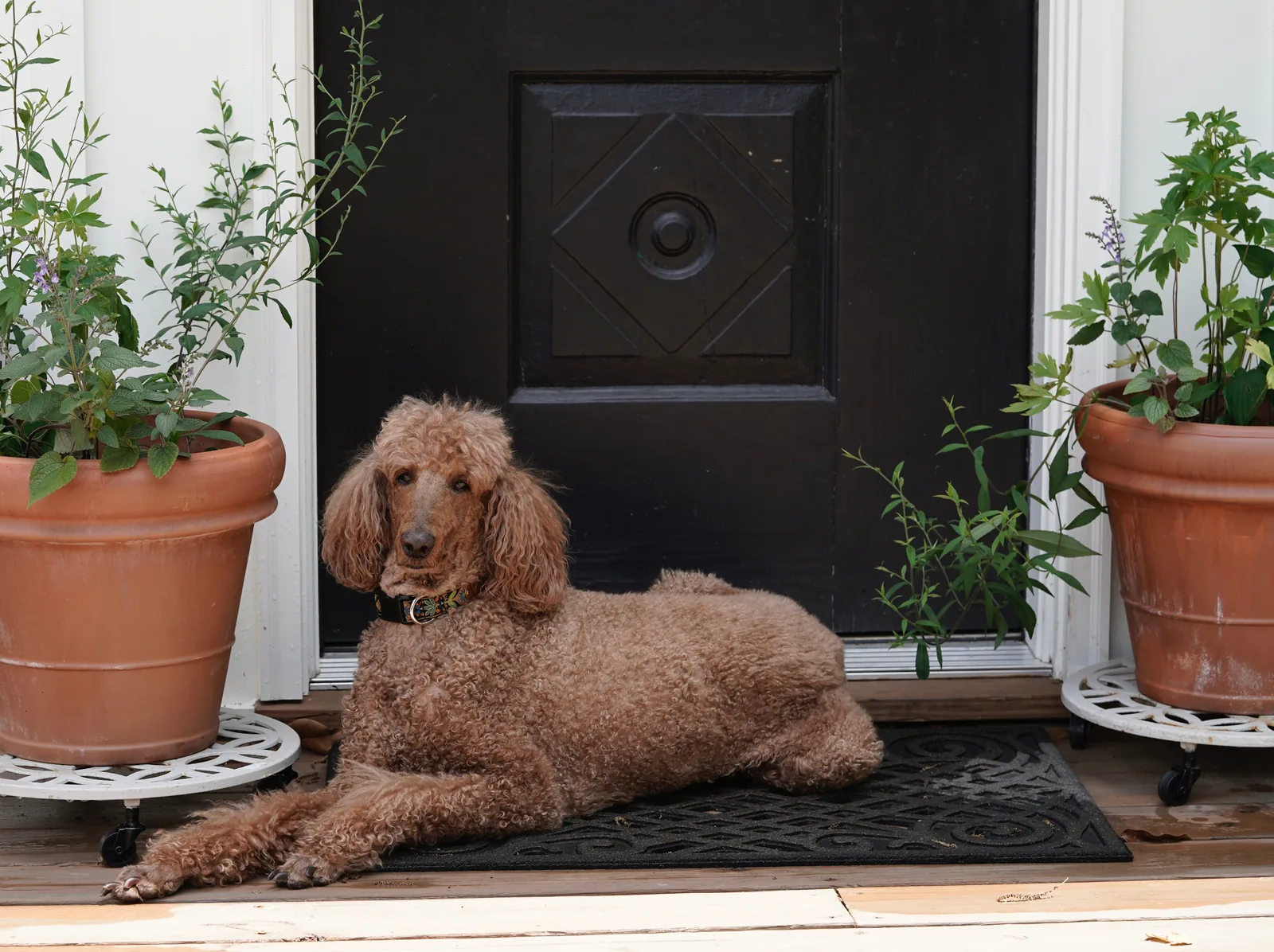
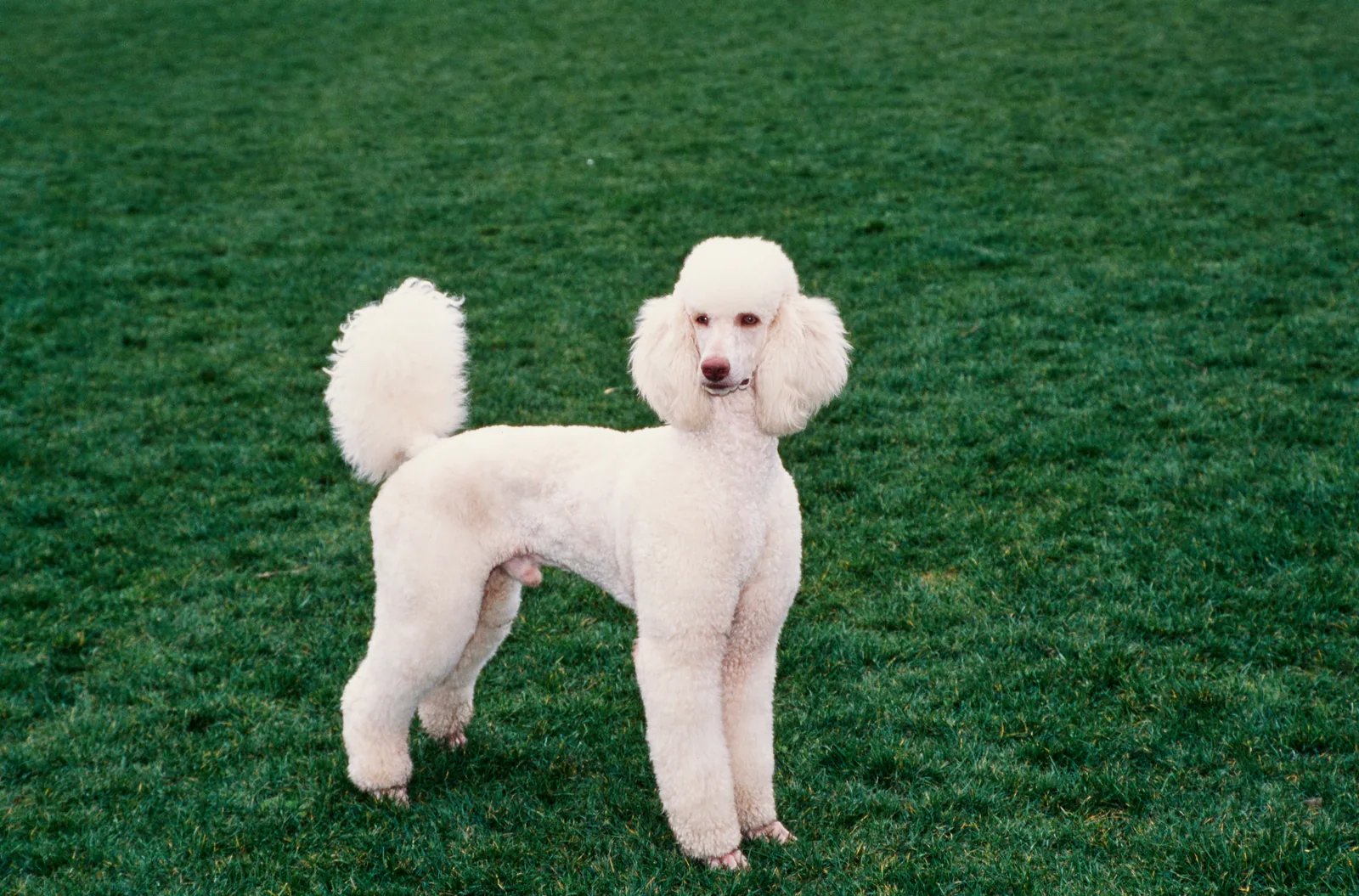
The AKC's description covers all three sizes at once: "Whether Standard, Miniature, or Toy, and either black, white, or apricot, the Poodle stands proudly among dogdom's true aristocrats." The AKC calls the breed "eager, athletic, and wickedly smart," and specifically pushes back on the idea that the haircut makes the dog delicate: underneath the low-allergen, curly coat is a genuinely capable working and sporting dog at every size. Sources: AKC breed pages for the Standard, Miniature, and Toy Poodle.
Health and care: what actually matters with this breed
The AKC tracks the Poodle's health risks by size, not as one uniform list, because a few real conditions split cleanly between the smaller varieties and the Standard.
Toy and Miniature Poodles specifically. Per the AKC, Legg-Calve-Perthes disease (a breakdown of the hip joint's ball, usually in young dogs) and luxating patellas (a kneecap that slips out of place) are both more likely in Toy and Miniature Poodles than in Standards. That is reflected in the national breed club's recommended health tests, which include a patella evaluation for the smaller varieties specifically. A dog that intermittently skips or hops on a hind leg rather than limping continuously is a classic luxating-patella sign worth a vet check, not something to wait out.
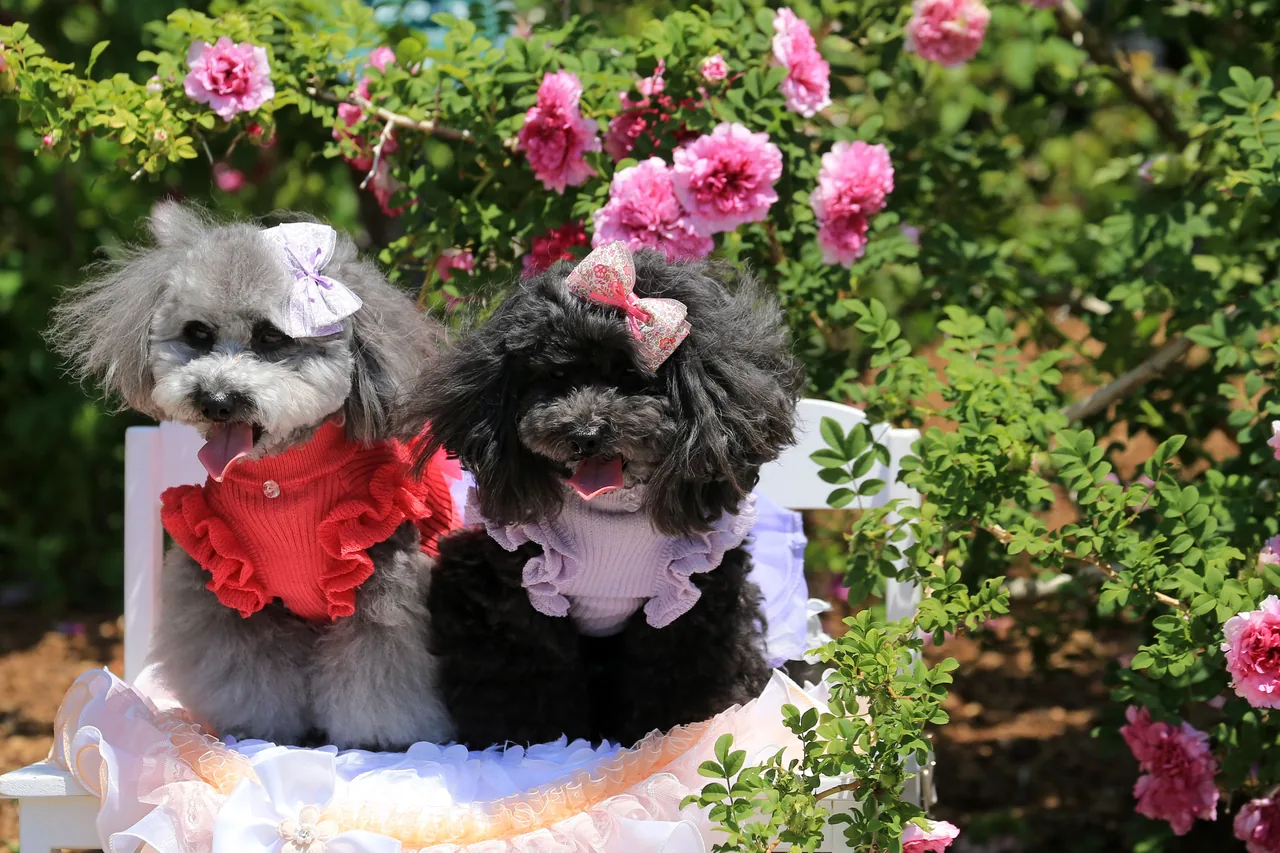
Standard Poodles specifically. The AKC notes Standards carry a higher risk for gastric dilatation with volvulus (bloat) and sebaceous adenitis than the smaller varieties, and a 2021 UK primary-care study of over 900,000 dogs found Standard Poodles had roughly 51 times the odds of hypoadrenocorticism (Addison's disease) compared with crossbred dogs. That specific risk is well documented, but it applies to the large Standard variety, not the Toy and Miniature Poodles pictured on this page. Sources: AKC breed pages (above); Journal of Small Animal Practice, 2021, hypoadrenocorticism in UK dogs under primary veterinary care.
Across all sizes. The AKC also lists hip dysplasia and several eye disorders as occurring across the breed generally, plus occasional idiopathic epilepsy and von Willebrand's disease, which is why its recommended health panel includes a hip evaluation, an eye exam, and a von Willebrand's DNA test regardless of size.
Feeding
There is no single Poodle feeding chart worth publishing here, because a 5-pound Toy Poodle and a 65-pound Standard are not the same animal with a different portion size; they have genuinely different calorie needs. The AKC's own guidance is to work with a vet or breeder on a calorie target based on the individual dog's age, size and activity level, watch for weight gain since the breed can be prone to it, and keep treats to a real minimum rather than a default reward, which is the one general point worth applying at any Poodle size.
Questions people actually search
What is the actual difference between a Toy, Miniature and Standard Poodle?
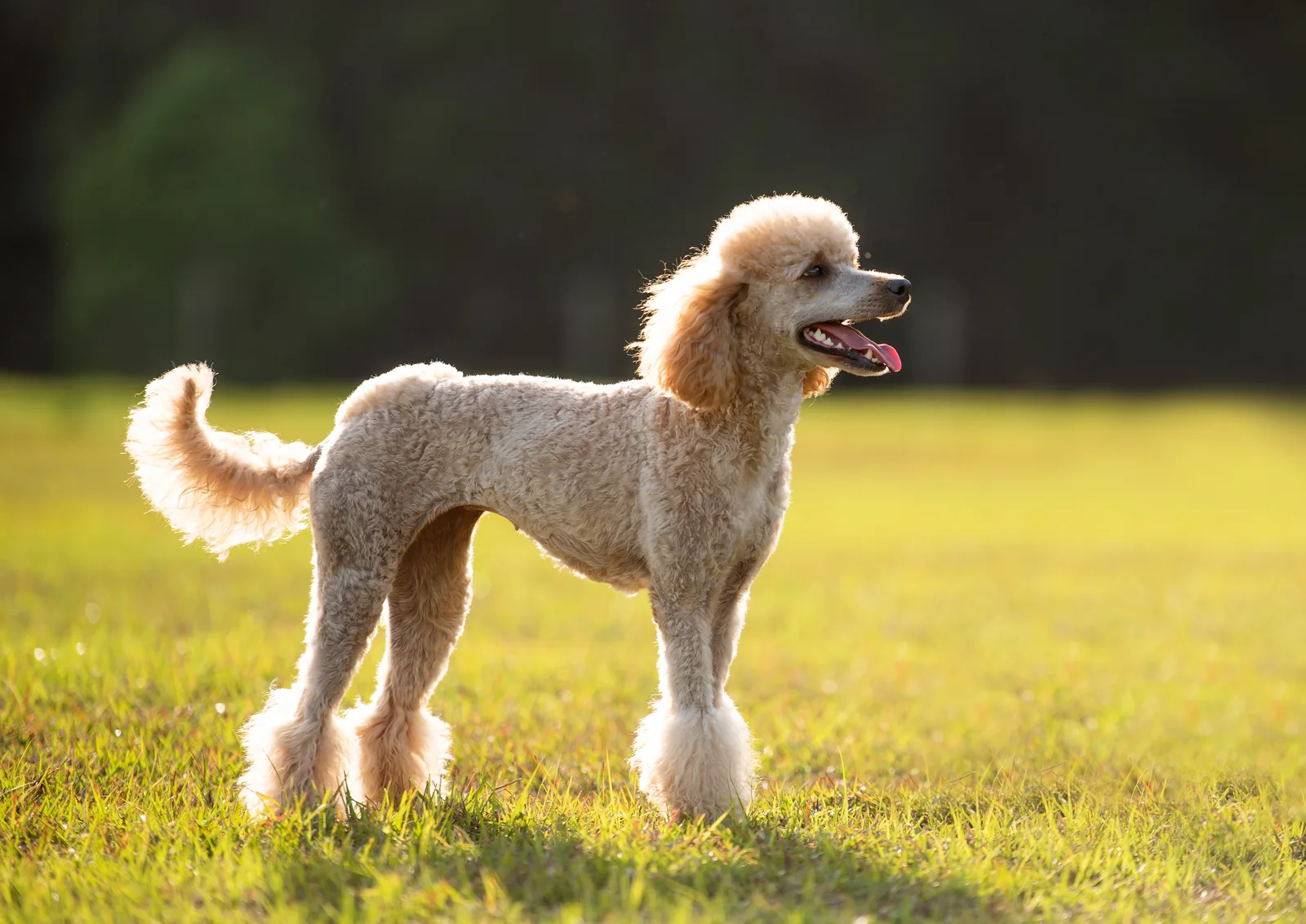
Size, and the AKC draws exact lines: a Toy Poodle stands 10 inches or under and weighs 4 to 6 pounds, a Miniature stands 10 to 15 inches and weighs 10 to 15 pounds, and a Standard stands over 15 inches and weighs 40 to 70 pounds. The AKC treats all three as the same breed with the same build and proportions, just scaled differently, though the Toy Poodle shows in the Toy Group at conformation events while Standard and Miniature Poodles compete in Non-Sporting. Source: AKC breed pages for the Standard, Miniature, and Toy Poodle.
Are Poodles actually hypoallergenic?
The AKC itself avoids that exact word, calling the coat "low-allergen" and describing it as "a good choice for people with allergies," not a guarantee against reactions. A Poodle still produces the dander and saliva behind most dog allergies; it simply sheds much less loose hair to spread them around a house. Anyone with a real dog allergy should spend time around an adult Poodle before committing to one, rather than relying on the breed's reputation alone. Source: AKC, Poodle (Standard) breed page, grooming section.
Why does my small Poodle sometimes skip on a back leg?
In Toy and Miniature Poodles specifically, that is a classic sign of a luxating patella, a kneecap slipping out of its normal groove, a condition the AKC lists as more common in the smaller varieties than in Standards. An occasional skip-hop that resolves on its own can still be worth mentioning at the next vet visit, and a leg a dog refuses to bear weight on at all needs prompt attention rather than a wait-and-see approach.